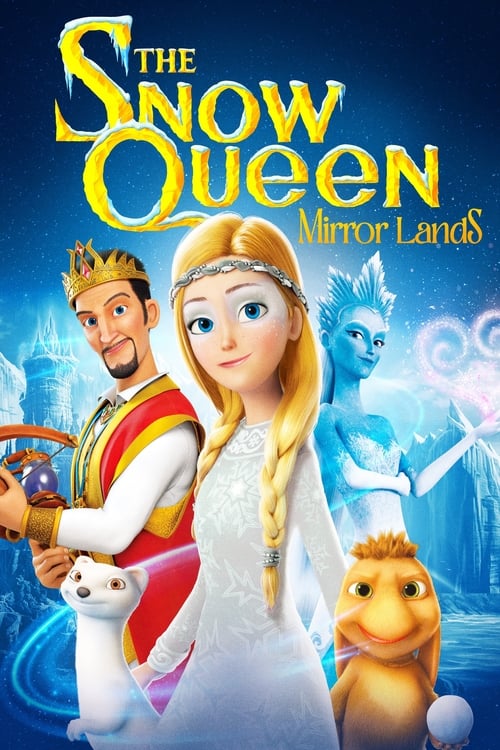
The Snow Queen: Mirror Lands
2018
No user ratings available yet
Representation score: 2.2 out of 10
Representation Score
Minimal
2016
TV-GDirector
Alexey Tsitsilin
Runtime
89 minutes
Average Rating
No ratings yetNew Showbiz Analysis
The film follows a traditionalist narrative structure centered around classical fairy-tale elements and universal themes of heroism. It focuses on preserving the family unit and reinforcing moral certainties rather than challenging social hierarchies. While Gerda provides a strong female lead, the work remains anchored in conventional clichés. The cultural perspective is localized, emphasizing traditional Eastern European moral frameworks and the triumph of good over evil. Ultimately, the production lacks complexity in addressing multiple aspects of identity and systemic issues, favoring a stable, folkloric experience that upholds established social institutions.
Category Breakdown
The film does not include any characters with non-straight or non-cisgender identities. It focuses on traditional romantic and familial relationships typical of the fantasy genre.
Gerda is a brave female protagonist who drives the plot through her quest for control over her own story. However, the film relies on traditional character types without challenging gender hierarchies.
The cast seems to align with regional cultural norms typical of Russian animation. Magical creatures like trolls represent 'otherness,' but the main characters remain largely homogeneous.
The story emphasizes traditional moral frameworks by prioritizing the restoration of the nuclear family. It promotes stability and the preservation of established social values.
There is no documented evidence of visible or invisible disabilities among the characters. They function within standard parameters of fantasy heroism.
Present on Screen
Limited or Absent
Official Synopsis
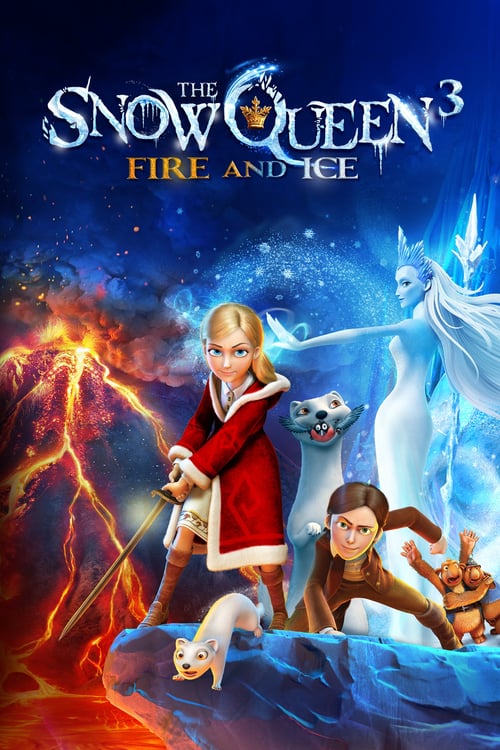
After heroically defeating both the Snow Queen and the Snow King, Gerda still cannot find peace. Her dream is to find her parents who were once taken away from them by the North Wind and finally reunite the family. Thus, Gerda and her friends embark on an exiting journey to find her parents and encounter new challenges along the way: they discover an ancient magical artifact of the trolls, the Stone of Fire and Ice. From that moment on, things don't go according to the initial plan...Will Gerda be able to tame the mighty forces of the magical elements and get her family back? The answer will be reveled in 2016. This is a story which encompasses everything you love about Wizart: kindness, bravery, friendship, mystery, love of one's family, and a happy ending, of course!
2018

1957
2014
2022
2016

2014
2012
2009
No reviews yet. Be the first to share your thoughts on this movie!
Use the rating form above to leave a star rating and optional review.