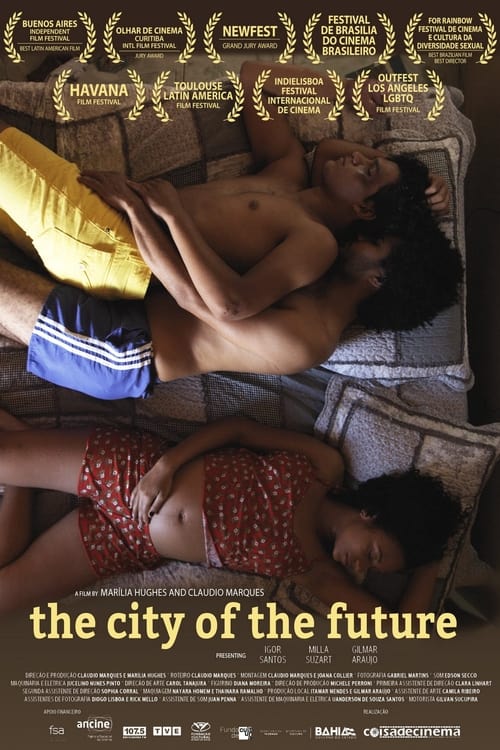
The City of the Future
2016
No user ratings available yet
Representation score: 6.6 out of 10
Representation Score
Fair
2015
Director
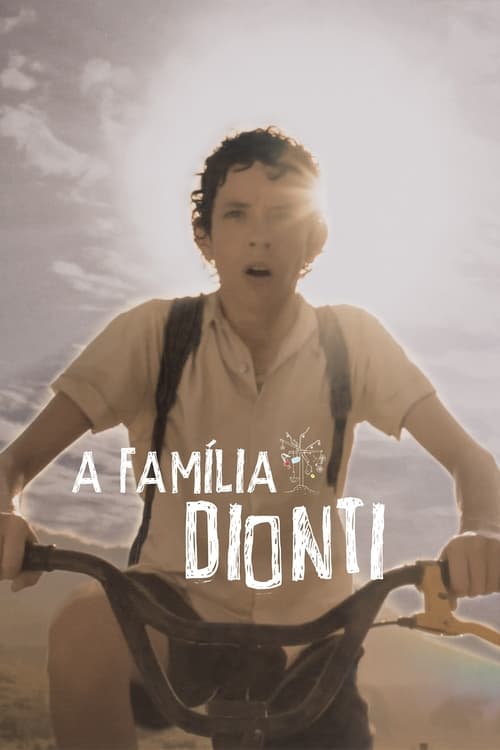
Alan Minas
Runtime
97 minutes
Average Rating
No ratings yetNew Showbiz Analysis
The Dionti Family stands out as a regional film that counters Western cinematic norms by emphasizing a specific Brazilian context. It avoids overly subversive identity politics but still manages to subtly challenge traditional gender roles through its single-parent household setup. However, the film remains within more conventional boundaries, particularly in its portrayal of romantic relationships and lack of characters with disabilities.
Category Breakdown
The film follows traditional romantic storylines and does not include any characters with non-straight identities.
The story focuses on a single father raising two sons without a mother, which deviates from the typical nuclear family structure.
The film showcases a unique part of Brazil’s countryside, challenging the usual Eurocentric perspective by highlighting regional identity.
Magical realism is used to shift the focus from Western norms to a localized, rural Brazilian experience.
The film does not feature any characters dealing with physical or mental health conditions.
Present on Screen
Limited or Absent
Official Synopsis
THE DIONTI FAMILY is a lyrical family drama, infused with magic realism, about a father and the two sons he is bringing up alone. It depicts a striking part of the Brazilian countryside, rarely seen in cinema and tells a universally engaging tale about first love, loss and personal transformation.
2016

2022

2016

2020
2007

2016
2013
2007
No reviews yet. Be the first to share your thoughts on this movie!
Use the rating form above to leave a star rating and optional review.