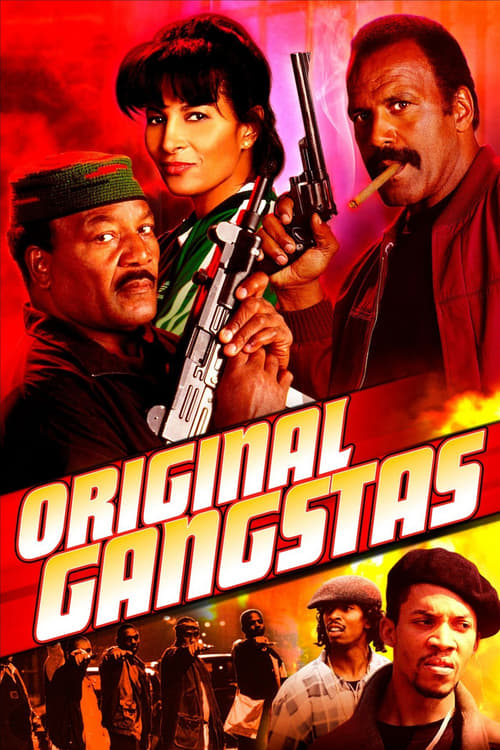
Knuckle City
2019
No user ratings available yet
Diversity score: 5.0 out of 10

1991
RDirector
Jamaa Fanaka
Runtime
92 minutes
Average Rating
No ratings yetSynopsis
A young man takes over as the head of a crack dealing outfit after his brother, the gang's leader, is murdered.
Overall Score
Good
Category Breakdown
LGBTQ+ Representation
The film focuses almost exclusively on heteronormative male bonding and traditional kinship. There is no discernible presence of non-cisnormative identities or queer narratives.
Gender Representation
Narrative agency is concentrated within male protagonists, particularly regarding leadership. While women occupy complex domestic or romantic roles, they are not primary drivers of the plot.
Racial & Ethnic Diversity
The film excels with a nearly homogeneous Black cast reflecting South Central Los Angeles. It uses a color-conscious approach where the Black experience is the central driving force.
Religious & Cultural Diversity
The story critiques capitalist structures and portrays state authority as adversarial. It explores how systemic neglect and economic disenfranchisement drive cycles of violence and urban decay.
Disability Representation
No characters have narrative arcs defined by visible or invisible disabilities. The film depicts the psychological toll of violence but lacks specific disability representation.
Strengths
Areas for Improvement
AI Analysis
Street Wars is a powerful example of sociological realism that prioritizes racial authenticity over mainstream Hollywood tropes. By centering the Black experience in South Central Los Angeles, the film provides a deep, lived-in perspective of a specific community rather than relying on tokenism. However, the film's scope is narrow regarding identity. The narrative architecture is heavily male-centric and adheres to traditional kinship structures, leaving little room for gender subversion or LGBTQ+ representation. Ultimately, the film's strength lies in its systemic critique. It successfully deconstructs traditional notions of morality and authority, framing criminality as a consequence of urban decay and economic disenfranchisement.
No reviews yet. Be the first to share your thoughts on this movie!
Use the rating form above to leave a star rating and optional review.