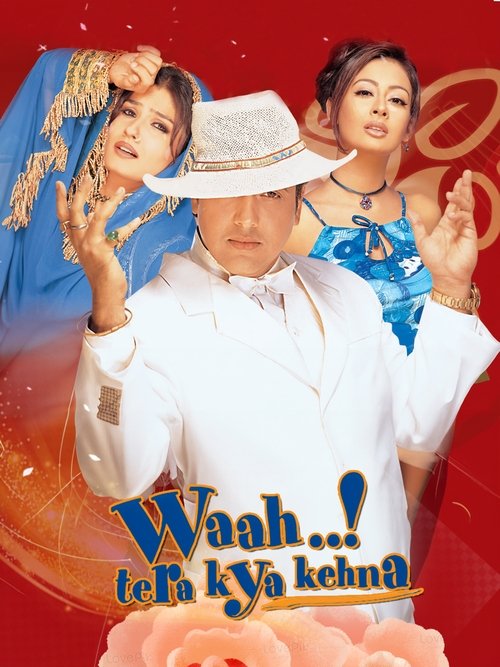
Waah! Tera Kya Kehna
2002
No user ratings available yet
Representation score: 2.9 out of 10
Representation Score
Minimal
2000
Director
Anil Devgan
Runtime
163 minutes
Average Rating
No ratings yetNew Showbiz Analysis
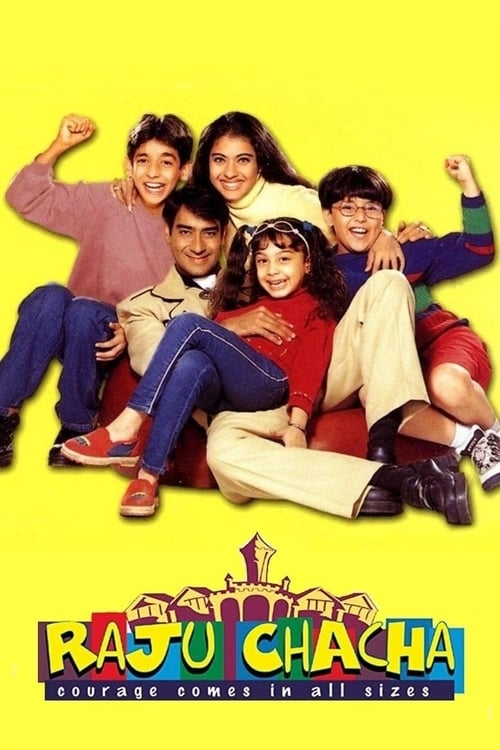
Raju Chacha is a traditional film that upholds established social and familial norms. It functions as a typical romantic comedy and melodrama, emphasizing emotional stability over social critique. The film succeeds in providing a culturally immersive experience for its intended audience but does not actively challenge traditional gender roles or heteronormativity. It adheres to the conventions of commercial cinema from the early 2000s.
Category Breakdown
The film follows traditional structures where the romantic storyline focuses on a heterosexual couple without any hints of LGBTQ+ identities or experiences.
Female characters mainly support the emotional development of the story and serve as romantic interests. Despite the female lead being central to the plot, male characters dominate the action-driven sequences.
The cast is mostly South Asian, providing a unified cultural experience. The story revolves around family reunion and cultural integration.
The story emphasizes traditional values such as family duty and respect for elders. It promotes social harmony and conventional morality through a consistent moral framework.
There are no significant portrayals of physical or cognitive disabilities. Characters with disabilities are not central to the main narrative.
Present on Screen
Limited or Absent
Official Synopsis
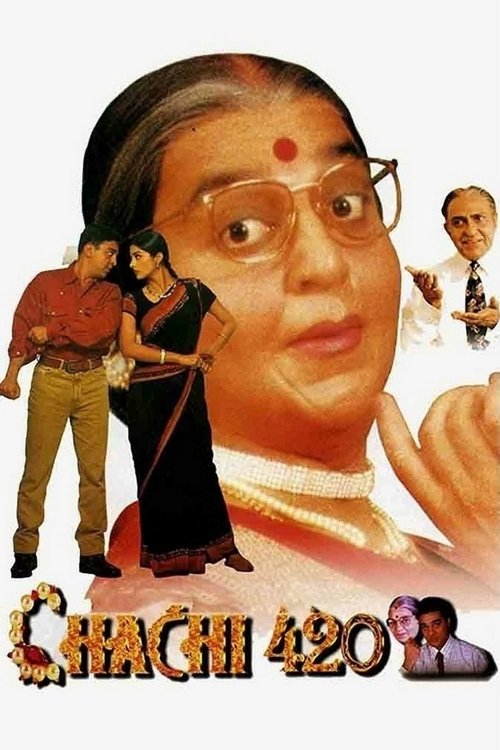
Raju is hired to pose as uncle to three orphaned kids in order to usurp their inheritance. But he changes his mind after falling in love with their governess and decides to fight the greedy relatives.
2002
2006

1993

2011

2017
1999
1997

1998
No reviews yet. Be the first to share your thoughts on this movie!
Use the rating form above to leave a star rating and optional review.