Über Barbarossaplatz
2016
No user ratings available yet
Representation score: 6.9 out of 10
Representation Score
Fair
2001
Director
Christine Wiegand
Runtime
90 minutes
Average Rating
No ratings yetNew Showbiz Analysis
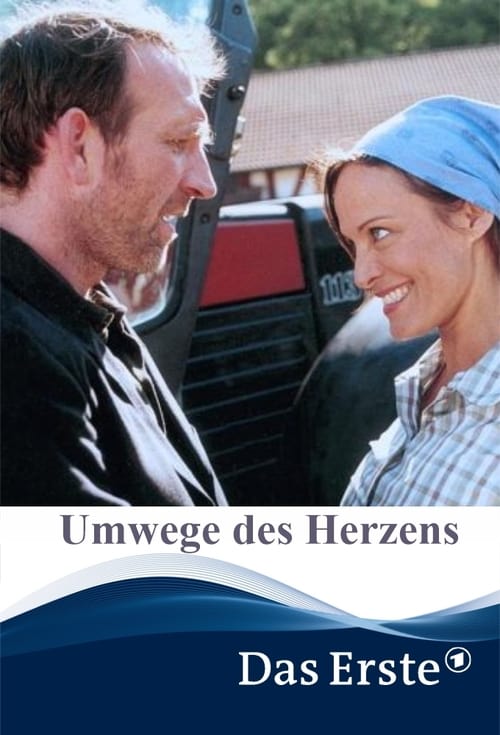
Umwege des Herzens is a character-driven domestic drama that emphasizes psychological complexity over broad social themes. It successfully provides a nuanced look at women's ability to drive the story and the breakdown of traditional family structures through Sarah's journey of redemption. However, the film remains confined to a narrow demographic focus. The narrative is set in a homogeneous European context, lacking racial, ethnic, or LGBTQ+ representation. Medical elements function more as plot devices than as explorations of disability. Overall, while the film offers a sophisticated study of interpersonal dysfunction, it does not challenge broader social hierarchies or provide perspectives that reflect multiple aspects of identity.
Category Breakdown
The story focuses on heterosexual relationships and family grief. There are no LGBTQ+ characters or identities that don't assume everyone is straight or cisgender.
The film highlights Sarah's proactive role in dealing with trauma and her internal struggles. It avoids the cliché of the passive female victim.
The setting in Vogelsberg, Germany, implies a mostly white cast. There is no indication of racial or ethnic diversity among the main characters or the rural setting.
The story questions the idea of the perfect family by focusing on destructive family dynamics and unresolved guilt.
Medical issues serve as plot points rather than central explorations of identity. It is unclear if characters with chronic illnesses have significant roles in the story.
Present on Screen
Limited or Absent
Official Synopsis
After the tragic accidental death of her sister, which she has not seen since a dispute 18 years ago, the architect Sarah suffers from guilt feelings: She believes she could have saved Susanne with a liver donation. To at least do something for Susanne's husband Max and the three children, Sarah drives to the family's farm in the Vogelsberg. And has to cope with a tragedy whose cause lies in her old love for Max. Sonja Kirchberger and Jochen Nickel play the lead roles in the quietly told, melancholy TV drama about the destructive dynamics of family relationships.
2016
2001
2016
2017
2011
2019
2004
2014
No reviews yet. Be the first to share your thoughts on this movie!
Use the rating form above to leave a star rating and optional review.