
Mist
2017
No user ratings available yet
Representation score: 1.9 out of 10
Representation Score
Fair
2013
TV-14Director
Wiebke von Carolsfeld
Runtime
99 minutes
Average Rating
No ratings yetNew Showbiz Analysis
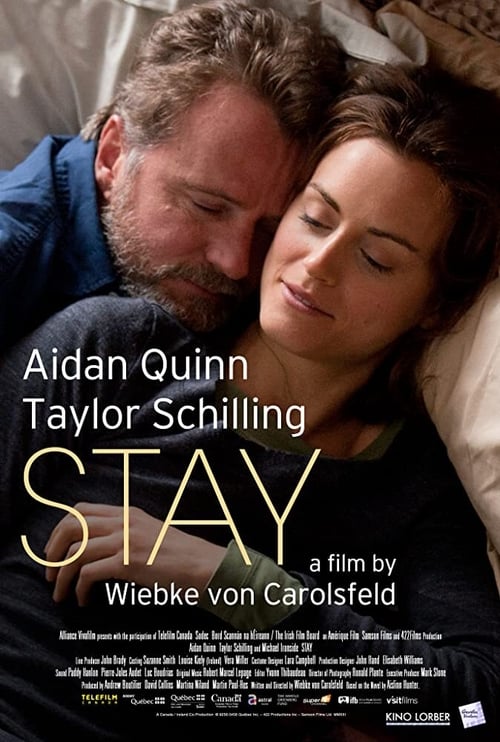
Stay is a character-driven drama that prioritizes psychological complexity over broad social commentary. It finds its strength in centering Abbey’s decision-making process, allowing her to navigate a life-altering pregnancy on her own terms rather than following traditional formulas. However, the film remains somewhat narrow in its scope. The focus on a specific Canadian-Irish cultural context and a heterosexual central romance limits its exploration of racial and LGBTQ+ representation. Ultimately, the film succeeds as a nuanced study of flawed individuals. It avoids the 'perfect family' cliché, opting instead to explore the messy realities of personal responsibility and moral relativism.
Category Breakdown
The story centers on a heterosexual relationship between Abbey and Dermot. There is no explicit evidence of LGBTQ+ identities or challenges to the assumption that everyone is straight or cisgender.
Abbey’s autonomy and decision-making regarding her pregnancy drive the narrative. The film challenges traditional male authority by portraying Dermot’s refusal of paternal responsibility and his emotional instability.
The setting focuses on white/Anglo-Saxon textures in Ireland and Montreal. While the cast includes diverse actors like Nika McGuigan, the narrative lacks significant blending of racial backgrounds.
The film deconstructs traditional family structures and challenges idealized Western concepts of stability. It portrays a relationship that faces community disapproval and navigates crises outside patriarchal guidance.
There is no evidence of characters with visible or invisible disabilities serving as central plot drivers or being subjected to mockery.
Present on Screen
Limited or Absent
Official Synopsis
A woman finds out she's pregnant and returns home when the expected father wants nothing to do with her.
2017
2008

2012

2021
2018

2013

2004
1999
No reviews yet. Be the first to share your thoughts on this movie!
Use the rating form above to leave a star rating and optional review.