La ragazza dei miei sogni
2017
No user ratings available yet
Representation score: 4.0 out of 10
Representation Score
Fair
2008
Director
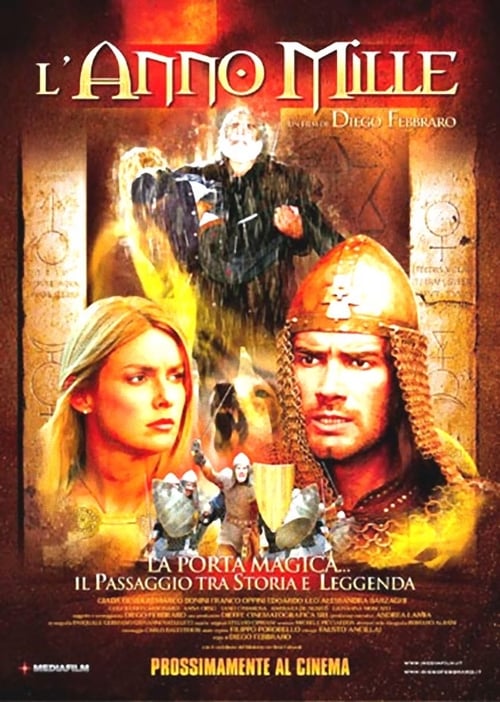
Diego Febbraro
Runtime
97 minutes
Average Rating
No ratings yetNew Showbiz Analysis
L'Anno Mille operates within a traditional framework of historical fantasy and romance. It excels in providing female characters with professional ability to act and using its plot to critique systemic corruption within institutions. However, the film leans heavily on Western historical archetypes, suggesting a narrative that prioritizes conventional clichés over a broader exploration of identity. Ultimately, the film offers a moderate level of representation that favors character's ability to drive the story over a systemic deconstruction of social hierarchies.
Category Breakdown
The story focuses on a romantic relationship between Valerio and Altea, but there is no clear indication of LGBTQ+ identities or non-cisgender characters.
Altea and Valerio have roles that emphasize equality, with Altea showing a significant role in driving the story by shifting from a princess to an active university volunteer.
The setting is based on European historical clichés, such as princes and alchemists, without specific evidence of diverse ethnic representation or multi-layered blending.
The film critiques institutional corruption through an antagonist who exploits medical and professional hierarchies. It blends secular myths with historical drama through a mythological hero.
The narrative does not include characters with physical, sensory, or neurodivergent disabilities.
Present on Screen
Limited or Absent
Official Synopsis
In a story that follows some lives and their respective reincarnations over time, Valerio is a prince in the year one thousand and a doctor of the S.e.r.t. in the year two thousand. Altea on the other hand is a princess, who after a thousand years was reincarnated as a university student who volunteers as a mission and it also operates in the same S.e.r.t.. Their antagonist, in the past as in the present, is a man who was an alchemist and who today is the evil director of the same hospital where the S.e.r.t. is located. of Valerio and Altea. A rather anomalous director, given that he takes advantage of the cover offered by his position to traffic drugs in a big way. A fourth character is added to the three, Herrmugnen, who in the story embodies the mythological figure of the giant hero.
2017
1995
2016

2001
1988
2014
1995
1996
No reviews yet. Be the first to share your thoughts on this movie!
Use the rating form above to leave a star rating and optional review.