
Raise Your Voice
2004
No user ratings available yet
Representation score: 3.0 out of 10
Representation Score
Fair
2001
PG-13Director
Thomas Carter
Runtime
113 minutes
Average Rating
No ratings yetNew Showbiz Analysis
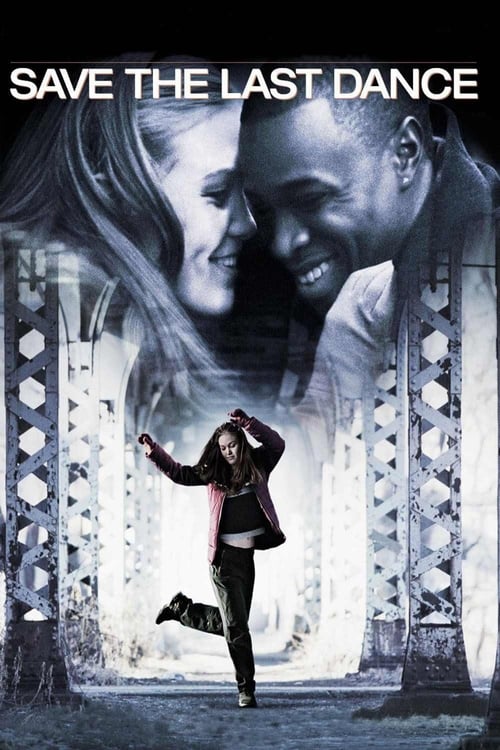
Save the Last Dance succeeds as a tool for social commentary, using an interracial romance to break down racial and class-based expectations. The film effectively uses dance as a symbolic language to connect different socioeconomic backgrounds. However, the narrative is limited by its focus on heterosexual relationships. The lack of LGBTQ+ representation and disability narratives restricts a more inclusive exploration of identity. Ultimately, the film's strength lies in its ability to challenge early-2000s cinematic clichés through character's ability to drive the story and the integration of diverse cultural art forms.
Category Breakdown
The film doesn't include prominent LGBTQ+ characters or those with non-traditional gender identities. The story focuses on heterosexual relationships.
Sara avoids the 'damsel in distress' stereotype by driving the plot through her technical skills and resilience. She uses her intellect and dedication to dance to navigate a new environment.
The film challenges social stratification by focusing on an interracial romance. It highlights working-class Black culture through hip-hop against the backdrop of ballet.
The story examines the tension between affluent Western institutions and the realities of Chicago's South Side. It criticizes the rigidity of social class and institutional biases.
The film does not feature characters with visible or invisible disabilities as central plot elements.
Present on Screen
Limited or Absent
Official Synopsis
After the death of her mother, Sara moves to the South Side of Chicago to live with her father and gets transferred to a majority-black school. Her life takes a turn for the better when befriends Chenille and her brother Derek, who helps her with her dancing skills.
2004
1994
2006
2000

2016

2007
1998

2009
No reviews yet. Be the first to share your thoughts on this movie!
Use the rating form above to leave a star rating and optional review.