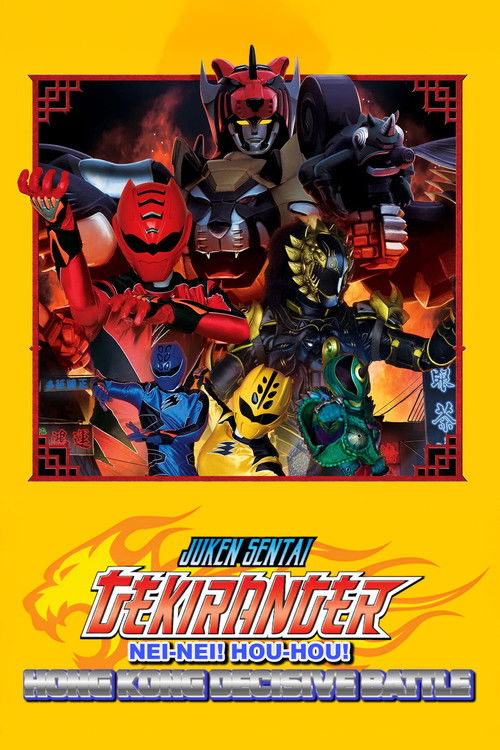
Juken Sentai Gekiranger vs. Boukenger
2008
No user ratings available yet
Representation score: 4.7 out of 10
Representation Score
Fair
2014
Director
Shojiro Nakazawa
Runtime
45 minutes
Average Rating
No ratings yetNew Showbiz Analysis
This crossover special prioritizes high-octane action and traditional Tokusatsu clichés over social commentary. The narrative structure focuses on the clash between two major franchises, emphasizing combat and teamwork rather than identity exploration. While the film excels in delivering traditional heroic competence, it remains within a conventional framework. It avoids deconstructing social hierarchies, opting instead for a traditional defense of the established order against an external threat. Ultimately, the production caters to a specific fan demographic by emphasizing character archetypes and combat utility. This results in a narrative that is highly effective for its genre but lacks progressive representation.
Category Breakdown
The film does not include explicit LGBTQ+ characters or non-straight relationships. It centers on team unity and fighting against the Badan Empire, relying on traditional character types rather than exploring queer identities.
Female characters are part of the ToQger team but follow established team dynamics. The film highlights collective strength and traditional heroic roles rather than challenging gender hierarchies.
As a Japanese production, the cast is primarily homogeneous. The narrative does not feature diverse ethnic casting or explore racial diversity through its train and station themes.
The story upholds traditional heroic morality and defends social order against the Badan Empire. It lacks secular or anti-Western critiques, favoring a classic good versus evil conflict.
The film emphasizes physical prowess and superhuman abilities. It does not explore neurodivergence or physical disabilities through the experiences of those living with such conditions.
Present on Screen
Limited or Absent
Official Synopsis
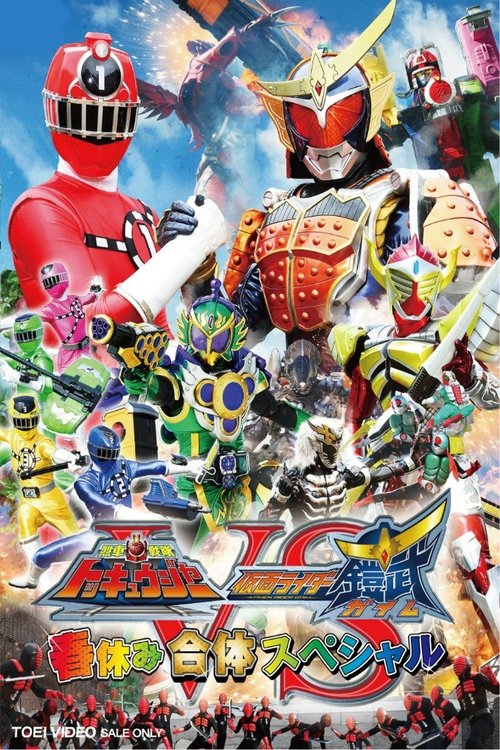
The ToQGers stop at a station in Zawame City, where there is no Shadow Line activity. However, they come across Kamen Rider Gaim and are brought into a fight with the Underground Empire known as Badan. As the ToQGers and the Armored Riders work together to discover Badan’s true intentions, a mysterious Rider calling himself Fifteen appears…
2008
1999
2021
1995
2004
2006
2021
2007
No reviews yet. Be the first to share your thoughts on this movie!
Use the rating form above to leave a star rating and optional review.