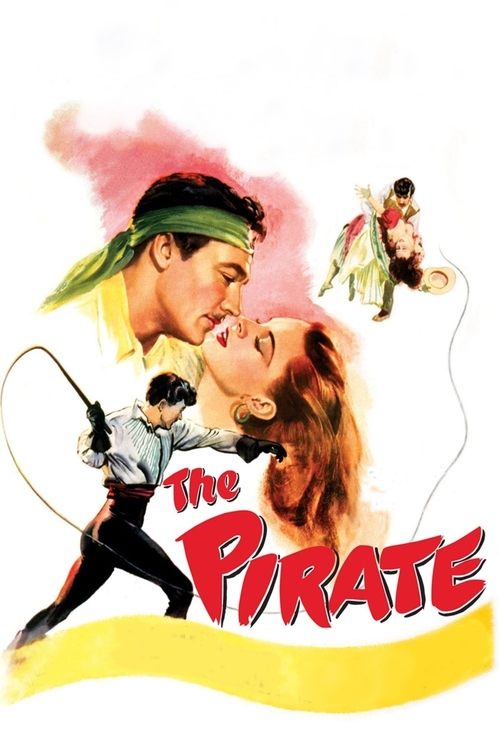
The Pirate
1948
No user ratings available yet
Representation score: 1.6 out of 10
Representation Score
Limited
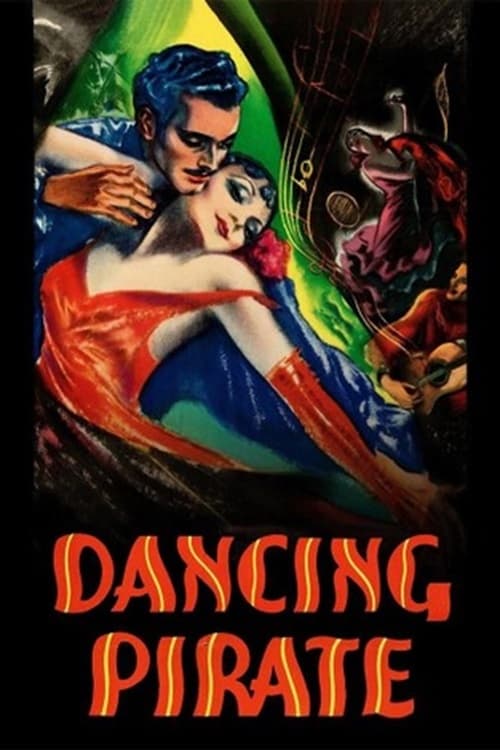
1936
ApprovedDirector
Lloyd Corrigan
Runtime
83 minutes
Average Rating
No ratings yetNew Showbiz Analysis
Dancing Pirate is a classic 1930s musical comedy that centers on situational humor and romantic misunderstandings. The film adheres closely to the era's social and cultural norms, focusing on a 'comedy of errors' involving a dance instructor mistaken for a pirate chieftain. While the film introduces characters like Governor Alcalde and Serafina, these elements serve mainly as atmospheric backdrops. The narrative lacks the depth needed to challenge broader societal norms or offer meaningful representation for underrepresented groups. Ultimately, the film serves as lighthearted entertainment, relying on traditional storylines and conventional gender roles to reach a standard romantic resolution.
Category Breakdown
The film follows a traditional romantic storyline between Jonathan Pride and Serafina. There is no indication of non-binary or same-sex relationships within this straight-centered musical comedy.
Serafina is a central figure, but the plot is driven by the male protagonist's actions. Women have limited influence over the story's direction, reinforcing the gender norms of the 1930s.
The film sets itself in Las Palomas, which serves as a stylized Mediterranean backdrop. The representation of diverse characters is primarily used to enhance the atmosphere rather than providing deep, layered character development.
The film's comic-opera framework focuses on light-hearted escapism. It presents an idealized version of a foreign locale to facilitate romantic resolutions, avoiding any social critique.
The narrative does not include any characters with visible or invisible disabilities.
Present on Screen
Limited or Absent
Official Synopsis
Jonathan Pride is a mild-mannered dance instructor in 1820 Boston. En route to visit relatives, Jonathan is shanghaied by a band of zany pirates and forced to work as a galley boy. When the pirate vessel arrives at the port of Las Palomas, Jonathan, clad in buccaneer's garb, makes his escape. Everyone in Las Palomas, including Governor Alcalde (Frank Morgan) and fetching senorita Serafina (Steffi Duna), assumes that Jonathan is the pirate chieftain, leading to a series of typical comic-opera complications.
1948

1931
1934
1955
1933
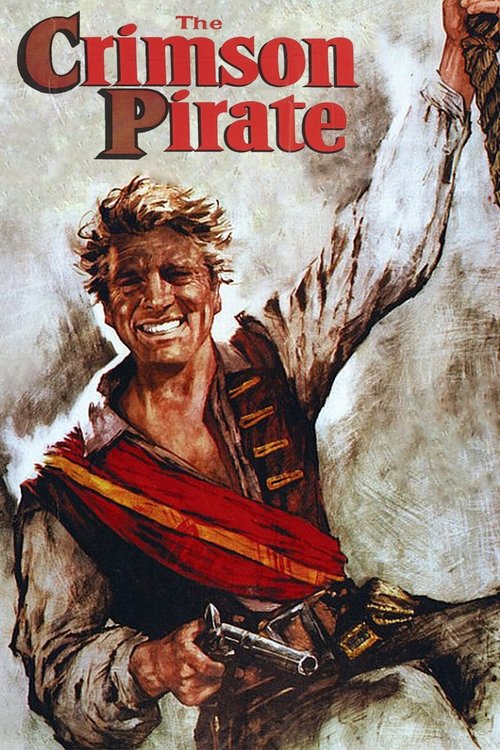
1952
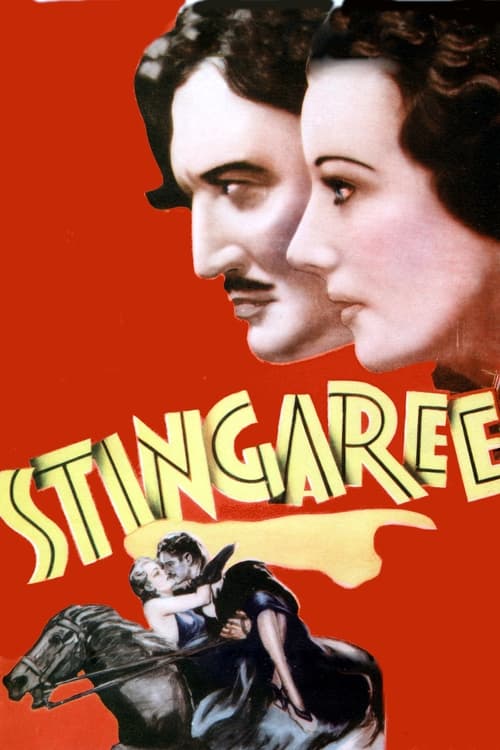
1934
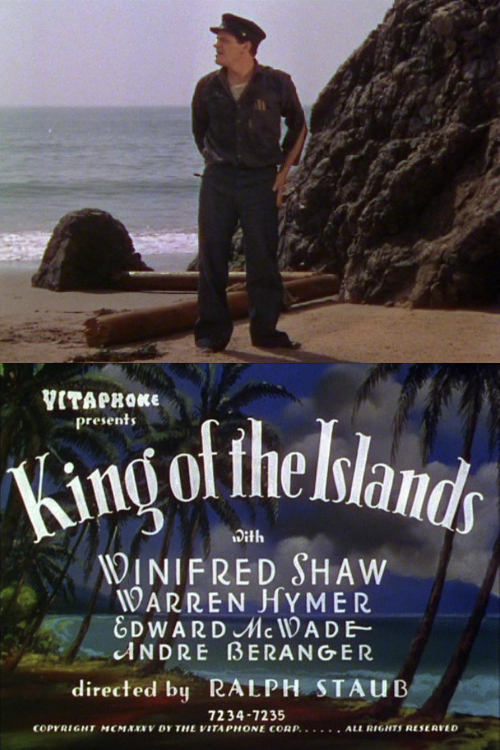
1936
No reviews yet. Be the first to share your thoughts on this movie!
Use the rating form above to leave a star rating and optional review.