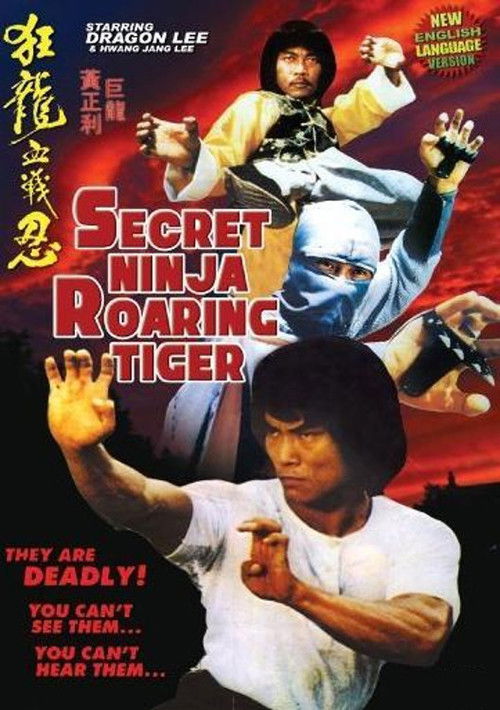
Secret Ninja, Roaring Tiger
1982
No user ratings available yet
Diversity score: 2.5 out of 10
1982
Director
Lee Doo-yong, Godfrey Ho
Runtime
89 minutes
Average Rating
No ratings yetSynopsis
When the ruthless Yellow Tigers ascend to the top of the criminal underworld and law enforcement fails to put an end to their violent acts, a martial arts expert organizes his own gang to take them down.
Overall Score
Limited
Category Breakdown
LGBTQ+ Representation
The film lacks LGBTQ+ characters or narratives addressing non-cisnormative identities. It adheres strictly to traditional action-genre archetypes.
Gender Representation
The story prioritizes male-driven conflict between a detective and a gang leader. A woman searching for her sister appears, but her role remains secondary to the central power struggle.
Racial & Ethnic Diversity
As a South Korean production, the film presents a culturally homogeneous cast. It reflects the regional industry of the era without seeking intersectional blending.
Religious & Cultural Diversity
The narrative explores gang structures and social dysfunction through standard crime tropes. It focuses on criminality rather than a systemic critique of institutions.
Disability Representation
A character's physical distress from withdrawal is used as a stylistic noir trait. There is no nuanced exploration of chronic illness or neurodivergence.
Strengths
Areas for Improvement
AI Analysis
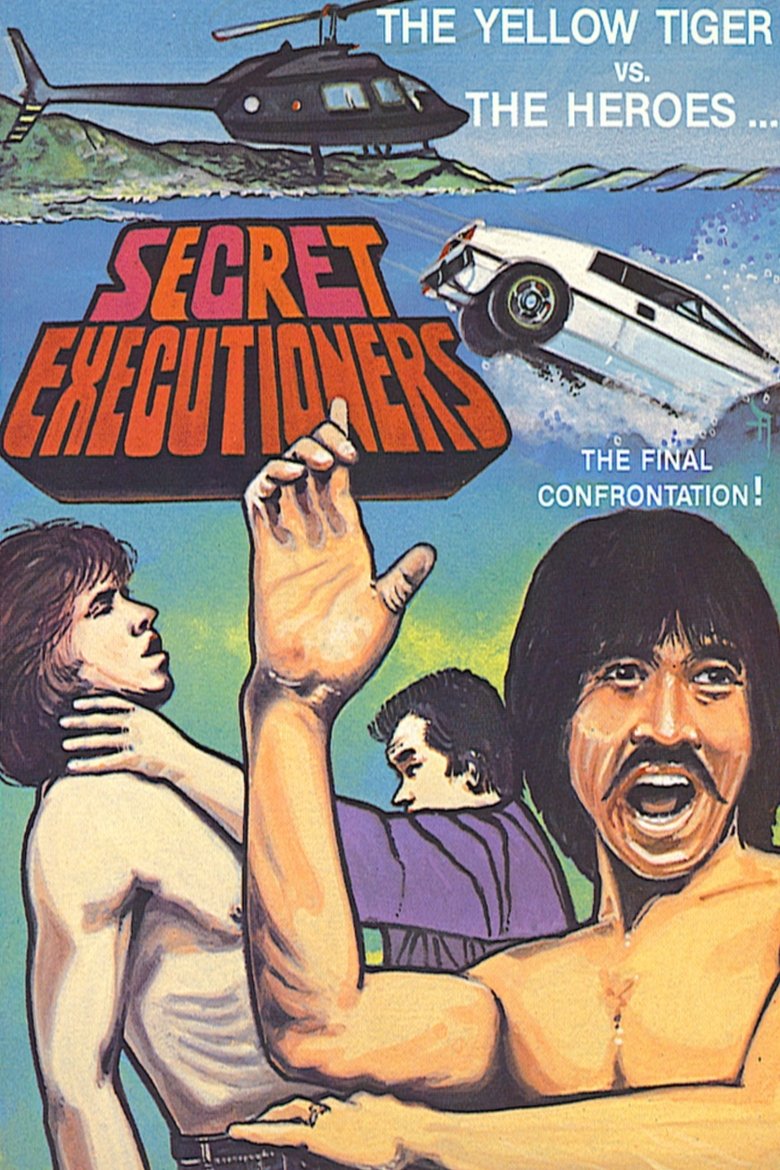
Secret Executioners is a conventional 1980s action piece that follows established genre hierarchies. The narrative centers on male-dominated gang feuds and detective work, leaving little room for diverse perspectives. While the film provides a specific South Korean cultural context, it does not attempt to subvert social norms or provide intersectional depth. Representation is limited to standard archetypes common to exploitation cinema. Ultimately, the film functions as a traditional crime drama. It lacks the intentionality needed to challenge social structures or offer meaningful representation for marginalized groups.
1982
1986
1987

1994
1979
1981
1970
1980

1985
1992
1981
1978
No reviews yet. Be the first to share your thoughts on this movie!
Use the rating form above to leave a star rating and optional review.