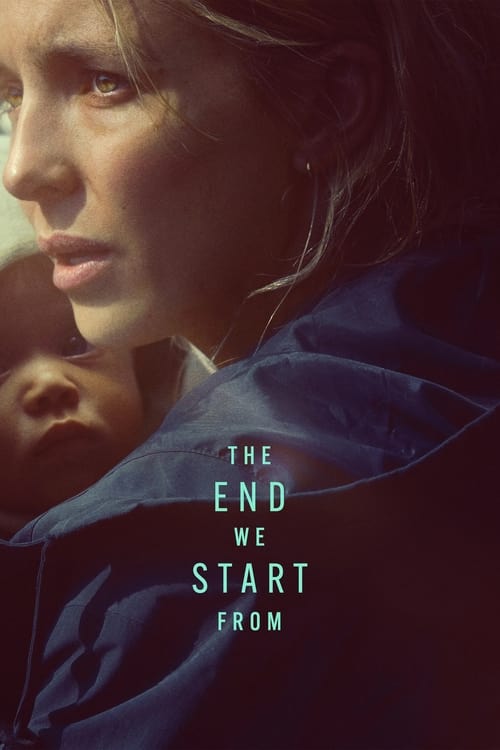
The End We Start From
2023
No user ratings available yet
Representation score: 9.3 out of 10
Representation Score
Good
2025
TV-MADirector
Kim Byung-woo
Runtime
107 minutes
Average Rating
No ratings yetNew Showbiz Analysis
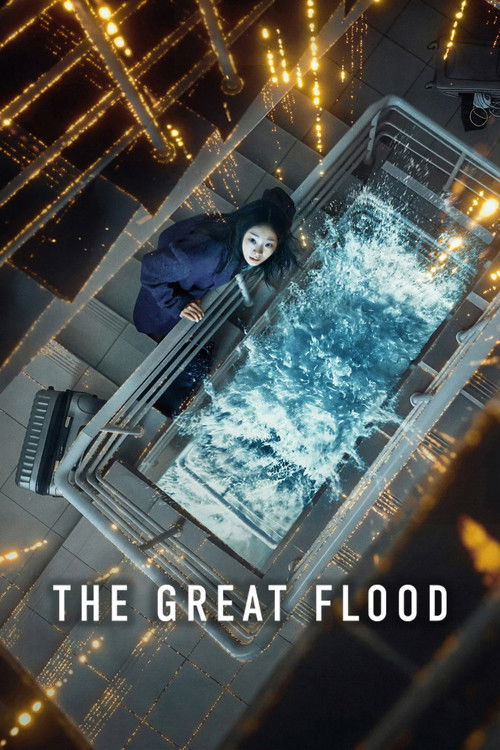
The Great Flood uses its South Korean setting to break away from the typical white, male-dominated disaster movie. An-na’s role as an AI researcher and mother highlights female intellectual leadership, challenging the passive victim cliché common in the genre. This strong gender representation is enhanced by a diverse cast that centers non-Western perspectives, providing a fresh cultural take on global catastrophe. However, the film’s diversity is uneven. While it excels in racial and gender representation, it fails to include LGBTQ+ identities and disabilities. The narrative structure does not incorporate these perspectives, resulting in lower scores for those categories. The film’s critique of institutional secrecy adds cultural depth, but the lack of multi-layered inclusivity prevents it from achieving a higher overall diversity rating.
Category Breakdown
The film does not include any characters with LGBTQ+ identities, limiting the range of identities represented.
An-na stands out as an intellectual leader who drives the survival efforts, contrasting with the distant male bureaucrats. Her strength and resilience highlight women's ability to drive the story, while male roles are shown as either complicit or absent.
The predominantly Korean cast challenges Hollywood's usual white-centric disaster movies, offering a unique non-Western perspective without falling into racial stereotypes.
The film critiques Western institutions, presenting global governance as secretive and corrupt. It emphasizes a secular, philosophical approach to survival, focusing on human ingenuity and ethical responsibility rather than religious salvation.
The film focuses solely on able-bodied characters surviving in a high-stakes environment. There are no visible or invisible disabilities depicted, leading to a low score for inclusive narrative architecture.
Present on Screen
Limited or Absent
Official Synopsis
When a raging flood traps a researcher and her young son, a call to a crucial mission puts their escape — and the future of humanity — on the line.
2023

2023
2021
2016
2018
2026
2014

2022
No reviews yet. Be the first to share your thoughts on this movie!
Use the rating form above to leave a star rating and optional review.