A Simple Life
2012
No user ratings available yet
Representation score: 9.0 out of 10
Representation Score
Good
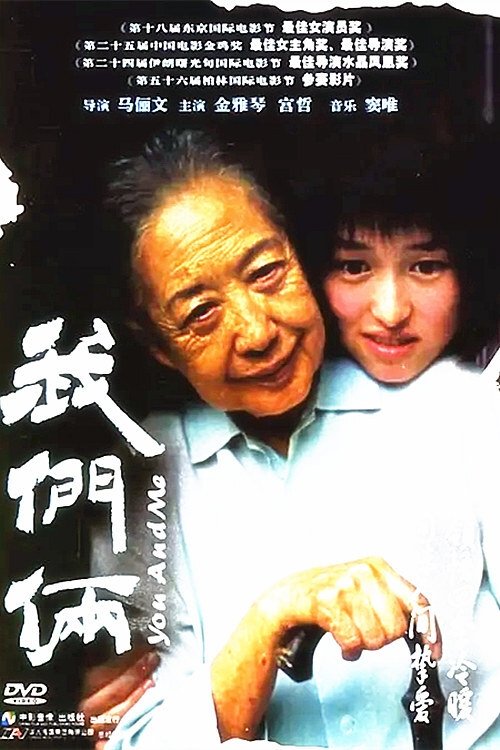
2006
Director
Ma Liwen, Jiang Ming
Runtime
83 minutes
Average Rating
No ratings yetNew Showbiz Analysis
The film excels as a nuanced character study that prioritizes the emotional landscapes of its female characters over traditional patriarchal narratives. By focusing on the bond between Xiaoma and Grandma, it highlights the tension between tradition and modernity. The narrative avoids simplistic clichés, instead presenting the evolution of social structures as a complex negotiation of identity. It uses the changing Beijing landscape to critique systemic shifts in communal living. While the cast is ethnically homogeneous, the depth of the lived experience provided offers a significant departure from Western-centric norms.
Category Breakdown
The film focuses on a close friendship between two women, emphasizing their emotional connection without explicitly addressing their sexual orientation. It avoids the male gaze by prioritizing the emotional lives of its female characters.
The narrative challenges traditional power structures by highlighting the ability to act and solidarity among women across generations. It examines power dynamics within domestic settings without relying on patriarchal or male-centric leadership.
As a Chinese production, the film presents a specific cultural perspective on Beijing life. It avoids Western-centric storytelling and the exoticization often found in foreign depictions of Eastern cultures.
The story critiques the rapid modernization and shifting societal values through the tension between traditional courtyard living and the evolving metropolitan landscape of Beijing.
There is no evidence of characters with visible or invisible disabilities being used as central plot devices or portrayed with specific ability to act.
Present on Screen
Limited or Absent
Official Synopsis
Xiaoma, a young woman who has recently moved to Beijing, finds an apartment in an old courtyard apartment complex owned by Grandma, an elderly woman. Xiaoma and Grandma’s relationship almost immediately becomes strained. After trying to tidy up the courtyard, Grandma insists that Xiaoma turn over her share of the profits. Tightfisted, the elderly landlady resists even allowing Xiaoma to install a telephone. At the same time the older woman becomes increasingly interested in Xiaoma’s personal (and romantic) life. Grandma, for example, tries to pass off her grandson to the younger woman. Annoyed, Xiaoma nevertheless is flattered at the older woman’s concern. Over the course of four seasons, Xiaoma begins to learn from her landlady of the old world that the modern city of Beijing has left behind, while Grandma begins to enjoy the youth and vitality of her tenant. The two women become closer and eventually develop a deep friendship.
2012

1994
2001

2006
1986

2017

2007

2012
No reviews yet. Be the first to share your thoughts on this movie!
Use the rating form above to leave a star rating and optional review.