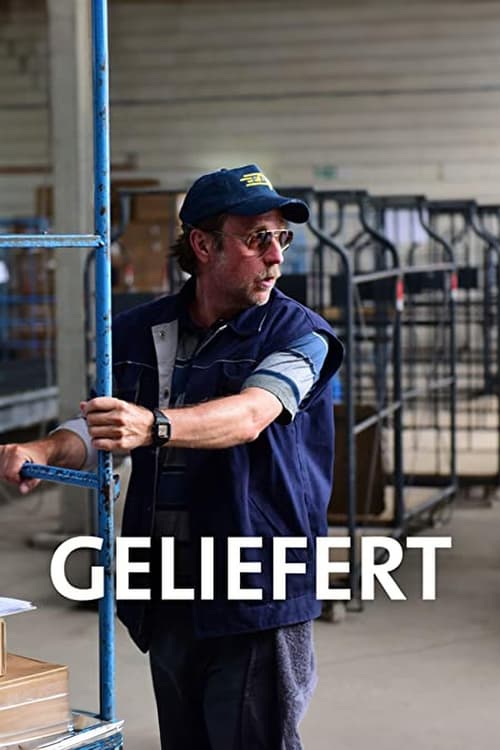
Geliefert
2021
No user ratings available yet
Representation score: 3.8 out of 10
Representation Score
Good
2022
Director
Daniel Harrich
Runtime
90 minutes
Average Rating
No ratings yetNew Showbiz Analysis
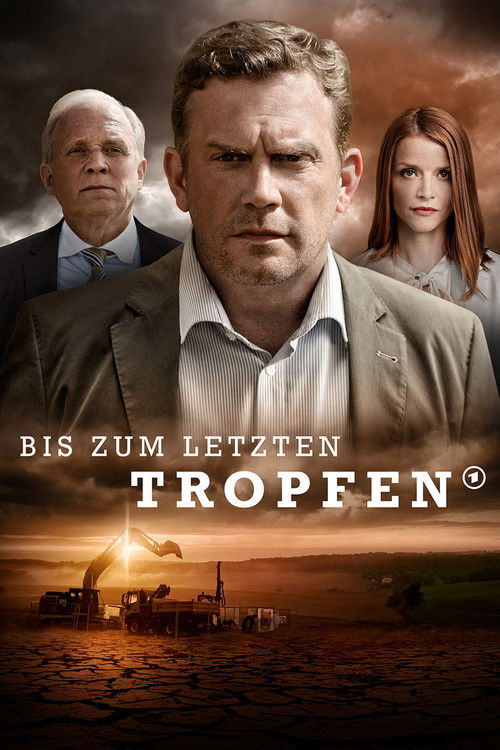
Bis zum letzten Tropfen serves as a socially conscious drama that prioritizes critiques of systemic issues and environmental concerns. The film focuses on the deconstruction of capitalist resource management rather than identity-driven storytelling. While the production lacks high-profile markers of identity-based activism, it challenges conventional stability by framing institutional power as a source of tension. The narrative centers on resource scarcity and the struggle for life-sustaining necessities. Overall, the film offers a diverse approach to casting and thematic depth, though it remains quiet on specific identity-based representation such as LGBTQ+ or disability inclusion.
Category Breakdown
The film does not include any obvious representations of LGBTQ+ identities or non-cisgender characters. It stays neutral without showing any negative stereotypes or positive representations.
The film features prominent female roles played by Hannah Schiller and Karoline Schuch, suggesting a move away from purely patriarchal structures. The drama likely distributes important roles across genders.
The inclusion of Neda Rahmanian in the main cast highlights ethnic diversity. This casting reflects current demographic realities within a European context.
Themes of capitalism and water conflicts suggest a critique of Western economic systems. The narrative explores the tension between corporate interests and human needs for survival.
There is no documented evidence of characters with neurodivergent conditions or physical disabilities in this production.
Present on Screen
Limited or Absent
2021

2017

2002

2021

2020
2021

2022

2004
No reviews yet. Be the first to share your thoughts on this movie!
Use the rating form above to leave a star rating and optional review.