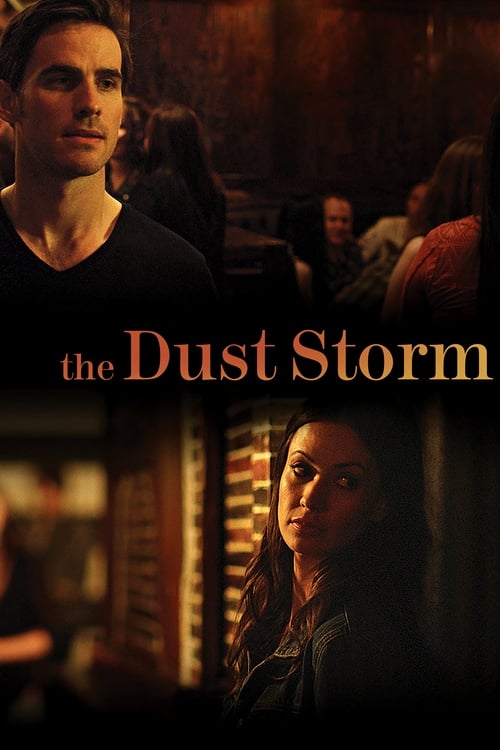
The Dust Storm
2016
No user ratings available yet
Diversity score: 3.9 out of 10
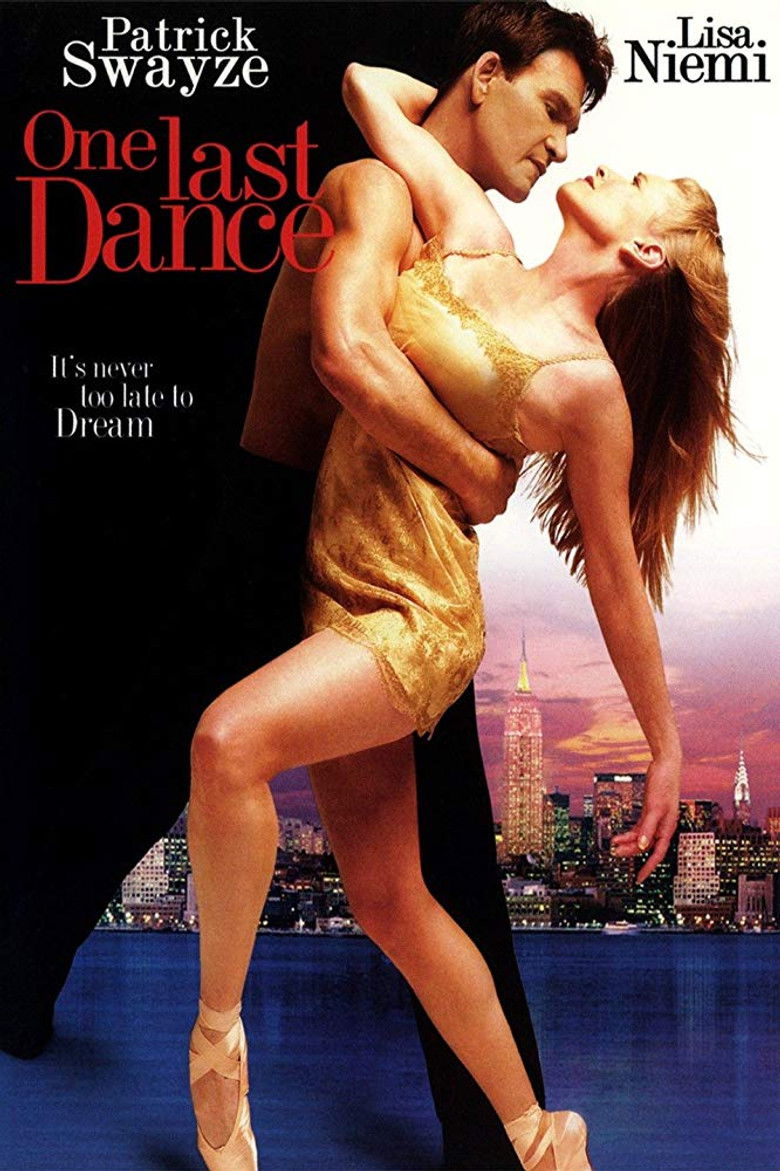
2003
PG-13Director
Lisa Niemi
Runtime
100 minutes
Average Rating
No ratings yetSynopsis
In the wake of tragedy, a renowed New York dance company is on the brink of collapse. After leaving the dance world for good, Travis, Chrissa, and Max are pulled in to resurrect the dance that shattered their careers. They have one last chance to save the company, re-connect with the passion and magic, and prove that miracles really can happen.
Overall Score
Fair
Category Breakdown
LGBTQ+ Representation
The film focuses on the romantic histories of the central trio. While it explores emotional vulnerability and intimacy, there is no explicit evidence of queer narratives or non-cisnormative identities.
Gender Representation
The narrative centers on the professional resilience and emotional labor of the female lead, Chrissa. This disrupts traditional hierarchies by prioritizing artistic excellence over masculine dominance.
Racial & Ethnic Diversity
Casting George De La Peña in a major role provides significant racial diversity within the protagonist group. The trio is treated as a cohesive unit of professional peers.
Religious & Cultural Diversity
The story prioritizes personal truth and emotional reconciliation over rigid religious frameworks. It focuses on preserving an artistic legacy rather than reinforcing traditional Western social structures.
Disability Representation
There is no documented evidence regarding the portrayal of physical or neurodivergent disabilities within the film's plot or character descriptions.
Strengths
Areas for Improvement
AI Analysis
One Last Dance functions as a character-driven study that subverts typical romantic drama tropes. By placing a female writer-director in control, the film emphasizes emotional complexity and professional agency over standard blockbuster structures. The central trio offers a moderate level of representation, particularly through the integration of diverse identities within a high-art professional setting. The narrative avoids ethnic stereotypes, focusing instead on shared history and trauma. However, the film lacks explicit LGBTQ+ representation and does not address disability. While it challenges gendered leadership roles, it remains anchored in themes of traditional family reconciliation.
No reviews yet. Be the first to share your thoughts on this movie!
Use the rating form above to leave a star rating and optional review.