
Life After Flash
2017
No user ratings available yet
Diversity score: 4.7 out of 10
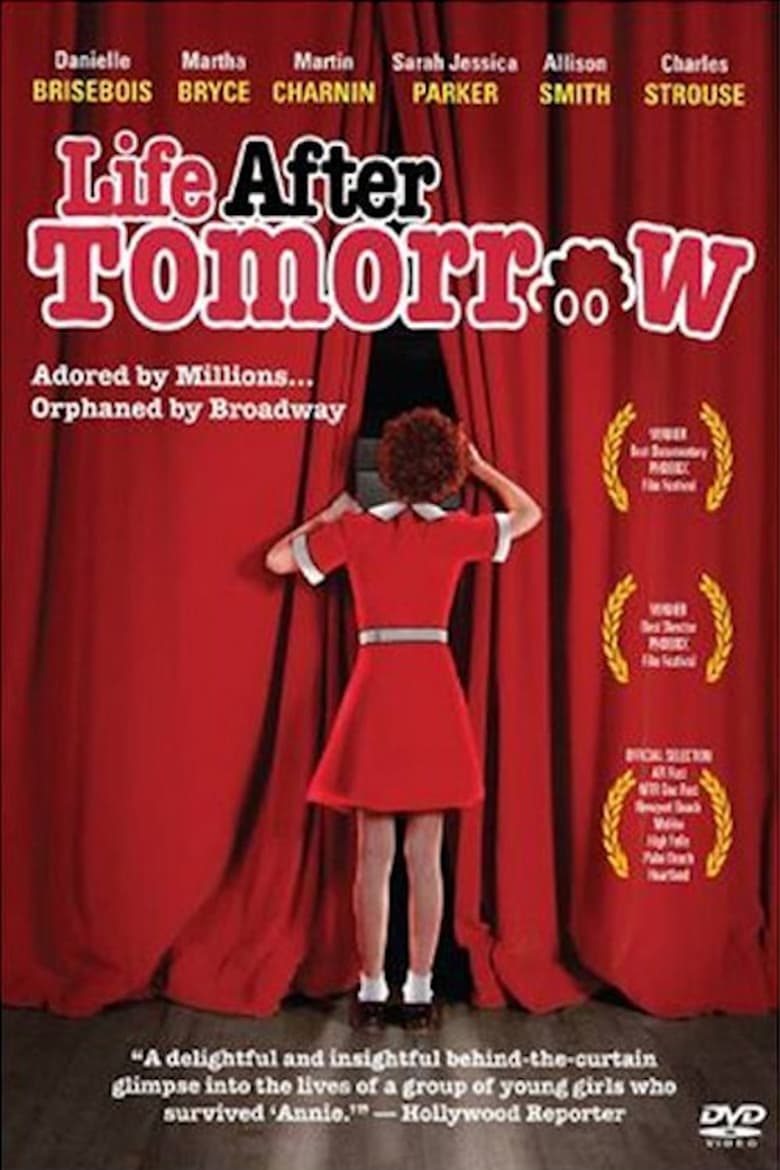
2006
Director
Gil Cates Jr., Julie Stevens
Runtime
72 minutes
Average Rating
No ratings yetSynopsis
Women who have played orphans in "Annie" are brought together in this documentary.
Overall Score
Fair
Category Breakdown
LGBTQ+ Representation
The film lacks explicit evidence regarding the sexual orientation or gender identity of its subjects. The narrative focuses on professional trajectories rather than non-heteronormative identities.
Gender Representation
This documentary centers female voices and their lived experiences in the industry. It explores female agency and the complexities of navigating adulthood after child stardom.
Racial & Ethnic Diversity
The film focuses on a specific cohort of actresses from a historical production. It reflects the likely homogeneous casting practices of that era.
Religious & Cultural Diversity
The narrative follows a traditional biographical study of human interest. It does not appear to challenge Western institutions or traditional social structures.
Disability Representation
There is no information regarding the portrayal of physical, neurodivergent, or mental health conditions. No specific evidence of disability is present.
Strengths
Areas for Improvement
AI Analysis
Life After Tomorrow serves as a specialized biographical retrospective. It provides a platform for women to discuss their professional journeys, offering meaningful visibility to a specific group of performers. However, the film adheres to traditional documentary conventions. It lacks intentional strategies to disrupt systemic power dynamics or promote intersectional representation, resulting in a narrow scope. The production reflects the era's casting limitations, focusing on a demographic that lacks significant racial or cultural diversity.
2017
2023

2019

2016

2006

2005
2017
2020

2026
2010

2019

1994
No reviews yet. Be the first to share your thoughts on this movie!
Use the rating form above to leave a star rating and optional review.