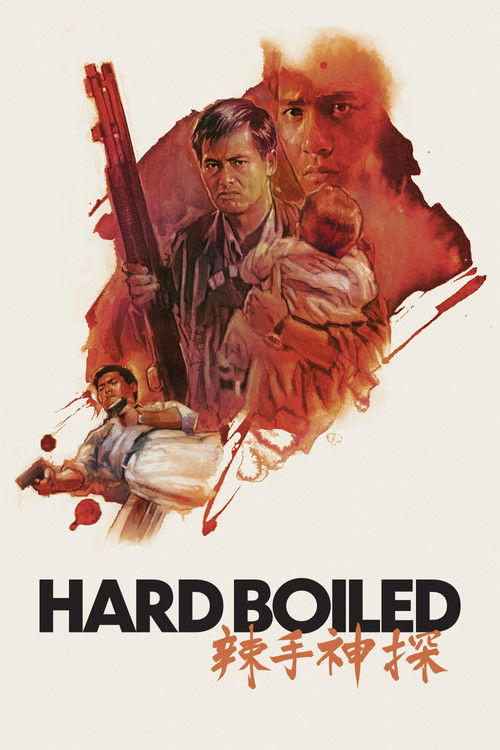
Hard Boiled
1992
No user ratings available yet
Representation score: 1.8 out of 10
Representation Score
Limited
1990
RDirector
Ringo Lam Ling-Tung
Runtime
103 minutes
Average Rating
No ratings yetNew Showbiz Analysis
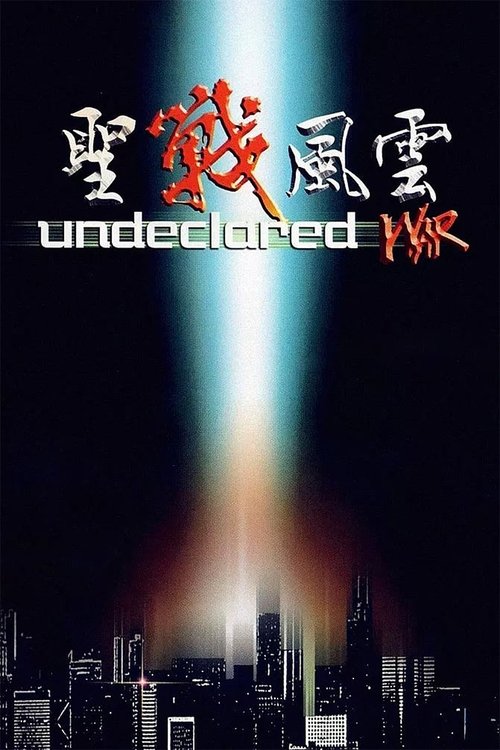
Undeclared War is a gritty action thriller that prioritizes thematic depth over demographic breadth. While it lacks representation for LGBTQ+ and disabled communities, it provides a complex critique of institutional authority. The film's strength lies in its postmodern view of systemic corruption. By blurring the lines between law enforcement and criminal syndicates, it challenges the idea of the state as a purely benevolent force. However, the film remains tethered to traditional patriarchal structures. The lack of women's ability to drive the story and the focus on masculine-coded spheres limit its overall diversity profile.
Category Breakdown
The film focuses solely on masculine-coded espionage and law enforcement. It doesn't include any non-straight or non-cisgender identities and doesn't challenge the assumption that everyone is straight or cisgender.
Narrative ability to act is concentrated almost exclusively in male protagonists. Women appear in minor roles without the power to drive the plot or influence the central conflict.
The cast is predominantly East Asian, reflecting its Hong Kong setting. The inclusion of a CIA agent adds a Western element to the cross-cultural professional dynamic.
The film offers a sophisticated critique of institutional power and systemic issues. It challenges traditional notions of absolute justice through moral relativism and systemic dysfunction.
There are no prominent depictions of physical or neurodivergent disabilities. Characters are defined by their physical prowess and professional utility.
Present on Screen
Limited or Absent
Official Synopsis
A Hong Kong Special Branch cop and a CIA agent reluctantly team up to bring down a major international terrorist.
1992
2000
1988
1999

2003
1996
2003
1981
No reviews yet. Be the first to share your thoughts on this movie!
Use the rating form above to leave a star rating and optional review.