Last Kind Words
2012
No user ratings available yet
Representation score: 3.0 out of 10
Representation Score
Limited
2016
TV-14Director
Eoin Macken
Runtime
88 minutes
Average Rating
No ratings yetNew Showbiz Analysis
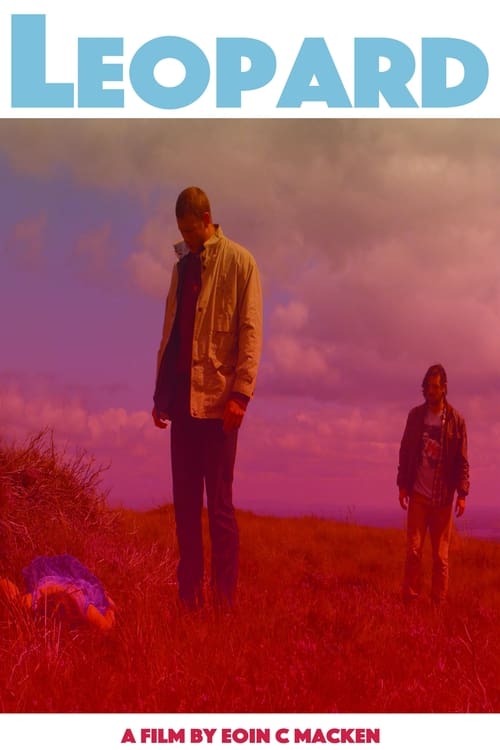
Leopard follows a traditional narrative structure focused on brotherhood and mystery. The story relies on well-known clichés of fate and familial reconciliation set in a rural environment. The film does not feature diverse casting or challenge traditional social hierarchies. Instead, it serves as a character-driven thriller that emphasizes individualist morality and classical tragedy rather than progressive representation.
Category Breakdown
The film centers on the relationship between two brothers and includes a key romantic element. However, there are no indications of LGBTQ+ identities or non-cisgender subtext, suggesting a focus on heterosexual relationships.
The story revolves around male protagonists who drive the narrative through family trauma and mystery. A female character plays a pivotal role but appears vulnerable and follows traditional gender roles.
Set in a small Irish village, the film features an English cast and does not include characters of different ethnicities. The setting suggests a homogeneous population.
The film explores individual tragedy and family dynamics using Irish settings and themes inspired by Steinbeck. It emphasizes personal and familial resolution without addressing broader socio-political issues.
There is no depiction of physical, cognitive, or mental health conditions in the film.
Present on Screen
Limited or Absent
Official Synopsis
Two disconnected English brothers are ostracized in a small village in the west of Ireland. Drawn back together by the unexpected and mysterious death of their father, they are immediately at odds until they find a girl dumped still alive in the moors. What follows is a bizarre turn of events, both beautiful and surreal, as the two brothers search for their own resolutions. At times both a love story and a tragic tale, the story is inspired by a piece in John Steinbeck's East of Eden.
2012
2014
2015
2004
2014
2007
2016

2004
No reviews yet. Be the first to share your thoughts on this movie!
Use the rating form above to leave a star rating and optional review.