The Stranger Within
2013
No user ratings available yet
Representation score: 3.6 out of 10
Representation Score
Limited
2011
RDirector
Robert Celestino
Runtime
84 minutes
Average Rating
No ratings yetNew Showbiz Analysis
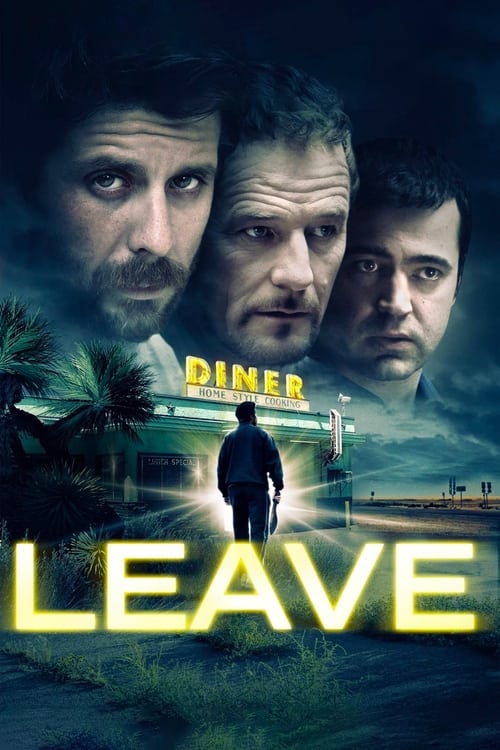
Leave operates as a conventional psychological thriller that prioritizes individual tension over exploring multiple aspects of identity. The narrative structure centers on a single male protagonist, Henry Harper, whose journey through trauma and mystery follows established genre clichés. The film lacks documented evidence of diverse casting or challenging familiar patterns. By focusing on a successful novelist in a remote setting, the story adheres to traditional, homogeneous storytelling patterns rather than questioning social or identity-based hierarchies. Ultimately, the work functions as a character study of personal instability. Without explicit engagement with diverse identities or systemic critiques, it remains a standard genre piece with limited representative breadth.
Category Breakdown
The story focuses on a male protagonist dealing with his inner conflicts. There are no queer characters or critiques of the assumption that everyone is straight or cisgender.
The film follows a male-driven psychological thriller structure. The protagonist embodies traditional masculine traits of a solitary creator facing existential dread, with no visible role for women in driving the story.
The plot does not provide information about the racial or ethnic makeup of the cast. The setting and character types follow typical, non-diverse casting norms in the genre.
Themes center on personal trauma and the instability of reality. The story emphasizes individual success and traditional social standing without broader cultural or systemic critiques.
While the protagonist has survived a recent trauma, it is unclear if this manifests as a visible or invisible disability. The portrayal of mental health remains unverified.
Present on Screen
Limited or Absent
Official Synopsis
Henry Harper is a successful novelist who has it all. But after surviving a recent trauma he finds himself haunted by a dream that terrifies him. Convinced that the only way to understand what the dream means is to write his way through it, Henry decides to go to a remote second home to begin work on his next novel, a thriller. While on his way there he encounters a strangely familiar drifter who confronts him with information that threatens to turn everything he knows to be true, upside down. Written by producer
2013

2005

2015
2007

2016

2011

2009

2022
No reviews yet. Be the first to share your thoughts on this movie!
Use the rating form above to leave a star rating and optional review.