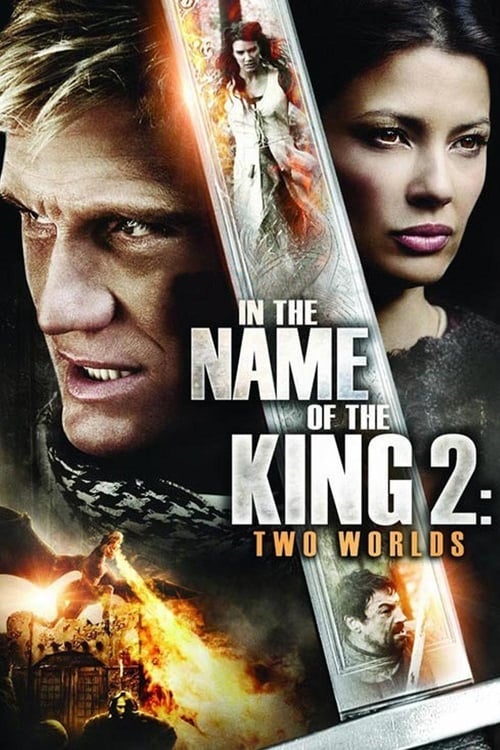
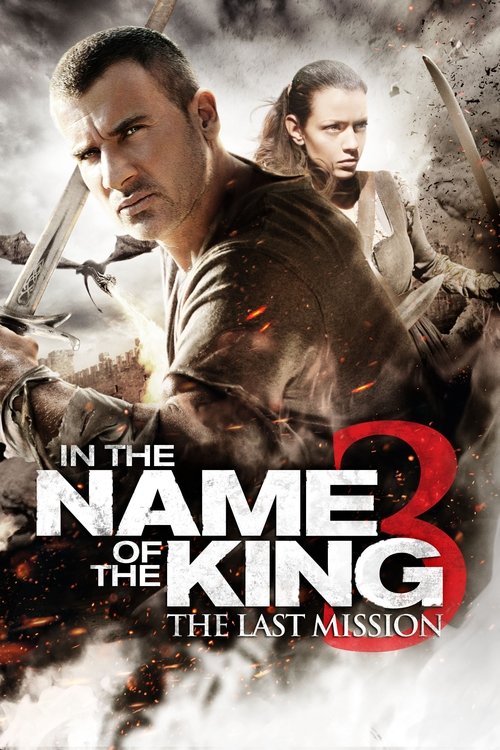
In the Name of the King 2: Two Worlds
2011
No user ratings available yet
Representation score: 1.8 out of 10
Representation Score
Minimal
2014
RDirector
Uwe Boll
Runtime
85 minutes
Average Rating
No ratings yetNew Showbiz Analysis
In the Name of the King III functions as a conventional action-adventure film that prioritizes genre clichés over social nuance. The narrative is built around a singular male protagonist, which limits the scope of character diversity and active roles. The film adheres to traditional Western storytelling frameworks, focusing on individualistic survival and combat. This approach results in a lack of depth in representing various backgrounds and identities. Ultimately, the production leans into established archetypes, offering little in the way of progressive narrative design or cultural subversion.
Category Breakdown
The film does not include any LGBTQ+ characters or non-cisgender identities. The narrative follows a traditional action-adventure format without addressing assumptions about straight relationships.
The story centers on a male contract killer, relying heavily on traditional masculine archetypes. There is no evidence of women taking a leading role or challenging gender hierarchies.
The plot focuses on an American protagonist and a Bulgarian setting. It appears to follow conventional Western casting patterns without significant demographic blending.
The film utilizes standard hero's journey clichés rather than engaging with systemic critiques. It prioritizes individual survival over complex cultural or institutional commentary.
There is no information available regarding characters with visible or invisible disabilities. No representation in this category is present.
Present on Screen
Limited or Absent
Official Synopsis
Hazen Kaine, an American contract killer living in Sofia, Bulgaria, gets more than he bargains for when he enters into a contract with the mob. One last job before he gets out and starts a new life for himself. The targets: the three children of royal billionaire Andon Dupont. Seems simple enough, or so he thought. Hazen apprehends the children, and before he can blink an eye, a simple necklace worn by one of the children sends his life spiraling back to medieval times. Now completely out of his element, Hazen fights for his life as he tries to escape a medieval army and a fierce fire-breathing dragon.
2011

2004
2023
2007
2013
1994
2004
2015
No reviews yet. Be the first to share your thoughts on this movie!
Use the rating form above to leave a star rating and optional review.