Poltergeist III
1988
No user ratings available yet
Representation score: 0.4 out of 10
Representation Score
Limited
2001
RDirector
Steve Beck
Runtime
91 minutes
Average Rating
No ratings yetNew Showbiz Analysis
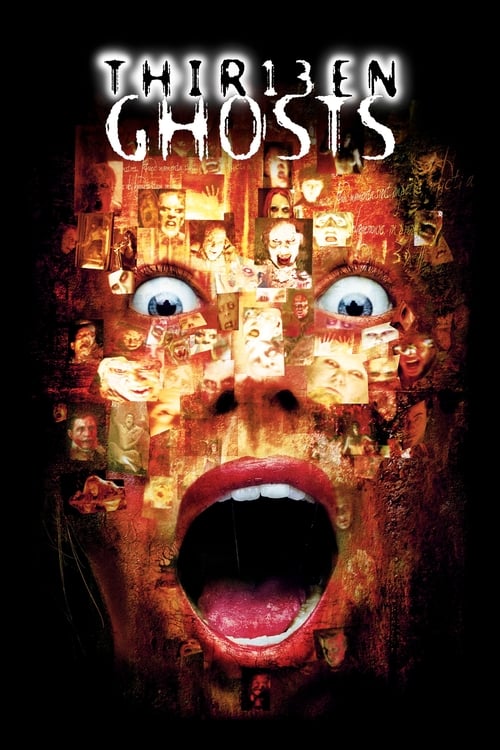
Thir13en Ghosts primarily serves as a high-concept genre piece that emphasizes supernatural thrills over broad demographic representation. While it lacks meaningful LGBTQ+ or racial diversity, it offers a more nuanced look at social structures compared to typical horror of its era. The film successfully deconstructs the sanctity of the traditional nuclear family and uses ghosts to explore themes of systemic entrapment and moral decay. This adds a layer of cultural critique that elevates the narrative beyond simple scare tactics. However, the portrayal of disability and gender remains somewhat tied to traditional roles and plot functions, rather than presenting fully realized, diverse individuals.
Category Breakdown
The film does not feature any prominent LGBTQ+ characters or narratives. Character interactions revolve around traditional family structures and professional roles.
Female characters such as the nanny and children play important roles in the survival plot. However, the film adheres to traditional gendered roles, with male characters driving the plot's resolution.
The cast is predominantly white, reflecting early 2000s studio horror casting practices. The film maintains a relatively homogeneous social environment within the central family unit.
The narrative critiques traditional institutions by showing a fractured, dysfunctional nuclear family. It portrays ghosts as victims of systemic circumstances rather than simple villains.
Jimmy is shown with mobility challenges that are part of his backstory. The representation focuses on his functional role within the horror framework rather than exploring his deeper experiences.
Present on Screen
Limited or Absent
Official Synopsis
Arthur and his two children inherit his uncle's estate: a glass house that serves as a prison to twelve ghosts. When the family, accompanied by a nanny and an attorney, enter the house they find themselves trapped inside an evil machine 'designed by the Devil and powered by the dead' to open the Eye of Hell. Aided by a ghost hunter and his rival, a ghost rights activist out to set the ghosts free, the group must do what they can to get out of the house alive.
1988

1976
2016
1986
2007
2012
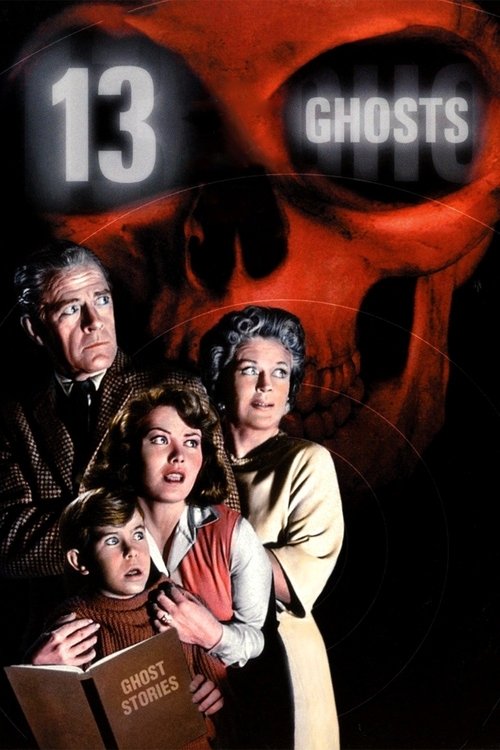
1960
2002
No reviews yet. Be the first to share your thoughts on this movie!
Use the rating form above to leave a star rating and optional review.