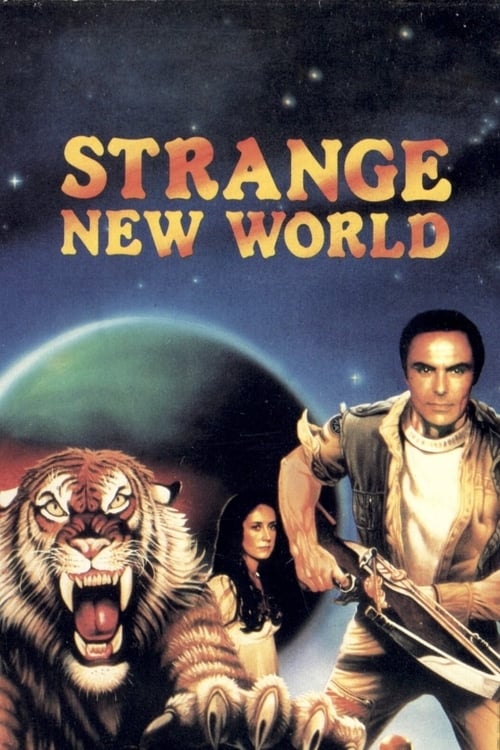
Strange New World
1975
No user ratings available yet
Diversity score: 3.2 out of 10
1971
PGDirector
Tom Gries
Runtime
100 minutes
Average Rating
No ratings yetSynopsis
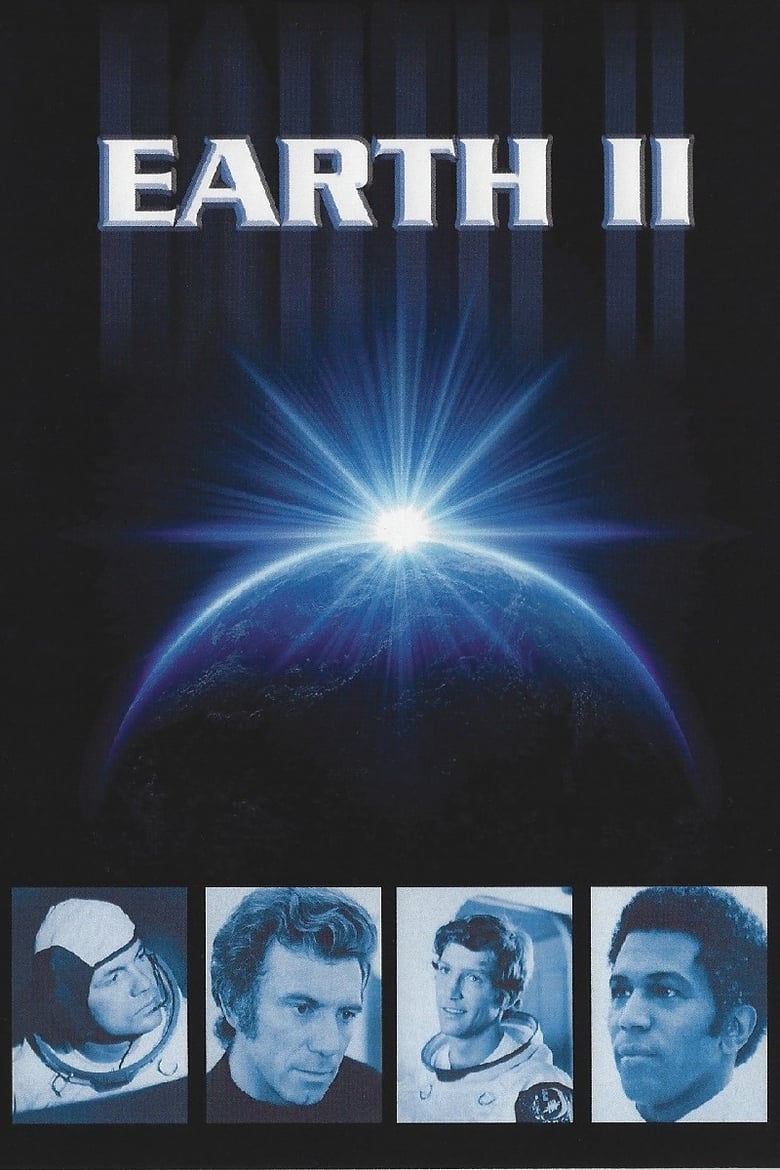
In the near future, a space station dubbed Earth II is built for the purpose of scientific research and world peace. However, that peace is shattered when the Chinese send up a nuclear bomb that is orbiting just a few miles away from the station. Can the crew disarm the bomb before it detonates, not only destroying the station but setting off World War III?
Overall Score
Limited
Category Breakdown
LGBTQ+ Representation
The film lacks visible non-cisnormative identities or same-sex intimacy. The narrative focuses on a scientific crew within a conventional character framework.
Gender Representation
The mission emphasizes a crew tasked with high-stakes scientific work. There is no indication that the film subverts traditional gender hierarchies or deconstructs masculinity.
Racial & Ethnic Diversity
The story uses a geopolitical conflict between a scientific station and China. This follows an 'East vs. West' paradigm rather than offering deep intersectional character development.
Religious & Cultural Diversity
The plot centers on maintaining global stability and preventing systemic collapse. It reinforces traditionalist views on international order and scientific cooperation.
Disability Representation
There is no mention of characters navigating physical or neurodivergent disabilities within the narrative.
Strengths
Areas for Improvement
AI Analysis
Earth II is a product of its era, functioning as a Cold War-era geopolitical thriller. The narrative architecture prioritizes high-stakes tension and the existential threat of nuclear escalation over social subversion. The film relies on traditionalist frameworks, focusing on the preservation of global institutions. While it introduces non-Western actors through the Chinese antagonist, it does so through a nationalistic lens rather than a diverse, multi-ethnic one. Ultimately, the work reflects the conventional storytelling structures of 1971, emphasizing crisis management and international stability without disrupting established social hierarchies.
No reviews yet. Be the first to share your thoughts on this movie!
Use the rating form above to leave a star rating and optional review.