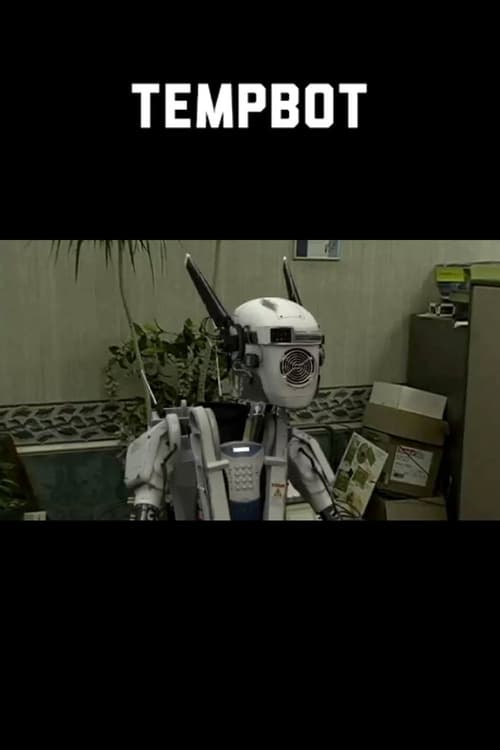
Tempbot
2006
No user ratings available yet
Representation score: 5.2 out of 10

Representation Score
Limited
2016
TV-GDirector
Aaron Rovner
Runtime
13 minutes
Average Rating
No ratings yetNew Showbiz Analysis
Through science fiction clichés, Rae examines the friction between individual emotional ability to act and rigid professional structures. Using a robotic lens, the film challenges institutional norms while bypassing traditional human archetypes. However, the narrative's focus on mechanical and systemic tension leaves many demographic markers, such as race and disability, unaddressed.
Category Breakdown
The film explores unconventional emotional bonds through a non-human protagonist, examining intimacy outside of traditional heterosexual relationships.
The story centers on the emotional ability to act of a robot, shifting away from traditional masculine or feminine roles and focusing on disrupting social norms.
There is no information available regarding the racial or ethnic composition of the characters, with the narrative focus remaining on mechanical and interpersonal tension.
The story critiques the rigidity of corporate capitalism and Western workplace norms, using the robot's affection to disrupt the sterile, productivity-focused environment of the office.
The provided context contains no evidence regarding the inclusion of characters with visible or invisible disabilities.
Present on Screen
Limited or Absent
Official Synopsis
When an office robot attempts to express its affection for a co-worker, the fragile balance between the employees in the office is pushed to a tipping point.
2006
1991

2010

2010

2019

2022

2016
2022
No reviews yet. Be the first to share your thoughts on this movie!
Use the rating form above to leave a star rating and optional review.