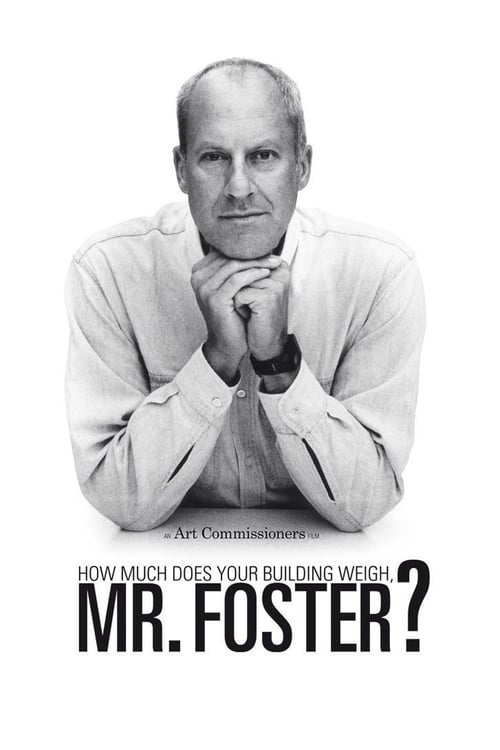
How Much Does Your Building Weigh, Mr Foster?
2010
No user ratings available yet
Representation score: 3.2 out of 10
No Poster Available
Representation Score
Limited
2005
Director
Mirjam von Arx
Runtime
89 minutes
Average Rating
No ratings yetNew Showbiz Analysis
Building the Gherkin serves as a technical and historical chronicle of architectural achievement. It prioritizes the intersection of engineering, corporate identity, and the evolving skyline of a global financial hub over identity-driven storytelling. The film captures the tension between radical design and the socio-political climate of the early 2000s. However, the narrative remains largely tethered to traditional Western institutional frameworks and professional hierarchies. Ultimately, the documentary lacks significant engagement with identity politics, focusing instead on the structural and aesthetic impact of a landmark in a post-9/11 landscape.
Category Breakdown
The film focuses on the technical and aesthetic aspects of the Swiss Re building. The nickname 'the erotic gherkin' refers to the structure's curvilinear geometry rather than any LGBTQ identities or narratives.
The narrative centers on the professional achievements of Norman Foster. The discussion is dominated by male-centric spheres like architecture and finance, reinforcing the image of the visionary male architect.
The film explores London’s financial district, a space characterized by Western institutional power. There is no explicit evidence of diverse casting or non-white protagonists driving the narrative.
The documentary examines the intersection of capitalism and urban resilience following global tragedy. It frames the building as a site of systemic controversy within the London skyline.
There is no evidence that disability, neurodivergence, or chronic illness serve as central themes or character elements in this documentary.
Present on Screen
Limited or Absent
Official Synopsis
Can a single building impact the career of an architect, the image of a global company and even the skyline of a big city? Just a month and a day after the disastrous attack on the World Trade Center in New York, the first steel beam of a new tower is erected in London. One question is on everybody’s mind: is it the right decision to build a new iconic tower in the midst of London’s financial district, on a site that has already been bombed before? The 40-storey steel and glass tower sparks further controversy. Norman Foster, one of Britain’s most visionary architects, calls his design for the new Swiss Re London headquarters ‘radial – socially, technically, architecturally and spatially’. In fact, its size and shape are so radical that it is almost immediately nicknamed ‘the erotic gherkin’. Will the Gherkin become the landmark they all dream of?
2010
2008

2017
2015
2013

2013

2013

1967
No reviews yet. Be the first to share your thoughts on this movie!
Use the rating form above to leave a star rating and optional review.