
In the Realm of the Senses
1976
No user ratings available yet
Representation score: 6.4 out of 10
Representation Score
Fair
1974
Not RatedDirector
Walerian Borowczyk
Runtime
125 minutes
Average Rating
No ratings yetNew Showbiz Analysis
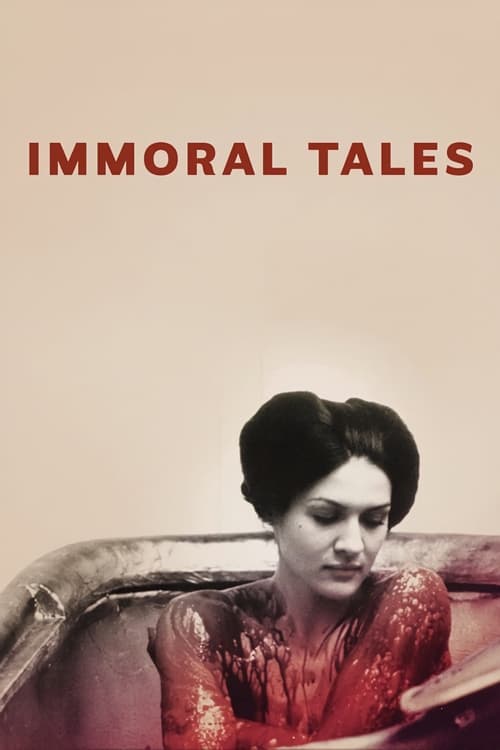
Immoral Tales succeeds in challenging traditional social and moral hierarchies. Its main strength lies in rejecting Western institutional ethics and empowering female characters internally and sensorily. However, the film is limited by its narrow historical and geographic scope, leading to a lack of racial and ethnic diversity. Additionally, it offers little space for LGBTQ+ representation due to its focus on straight-centered themes.
Category Breakdown
The film focuses on the tension between personal desires and societal repression, rather than exploring LGBTQ+ identities. It operates within the assumption that everyone is straight or cisgender.
The narrative shifts the focus from male-driven action to female-driven contemplation. Scenes like Therese Philosophe highlight women's ability to take control of their own experiences and decisions.
The film sets its stories in specific European historical periods, resulting in a cast that reflects the ethnic makeup of those times, which were predominantly white.
It presents immoral acts without redemption, framing religious authority as a source of repression rather than moral guidance.
The film does not explore physical or neurodivergent disabilities. Characters are portrayed as archetypes of desire rather than individuals with disabilities.
Present on Screen
Limited or Absent
Official Synopsis
Four erotic tales from various historical eras. The first, 'The Tide', is set in the present day, and concerns a student and his young female cousin stranded on the beach by the tide, secluded from prying eyes. 'Therese Philosophe' is set in the nineteenth century, and concerns a girl being locked in her bedroom, where she contemplates the erotic potential of the objects contained within it. 'Erzsebet Bathory' is a portrait of the sixteenth-century countess who allegedly bathed in the blood of virgins, while 'Lucrezia Borgia' concerns an incestuous fifteenth-century orgy involving Lucrezia, her brother, and her father the Pope.
1976
1969

1983

1967
1979

1975
1980

1976
No reviews yet. Be the first to share your thoughts on this movie!
Use the rating form above to leave a star rating and optional review.