Knights Of The Quest
2001
No user ratings available yet
Representation score: 4.4 out of 10
Representation Score
Limited
2009
RDirector
Renzo Martinelli
Runtime
139 minutes
Average Rating
No ratings yetNew Showbiz Analysis
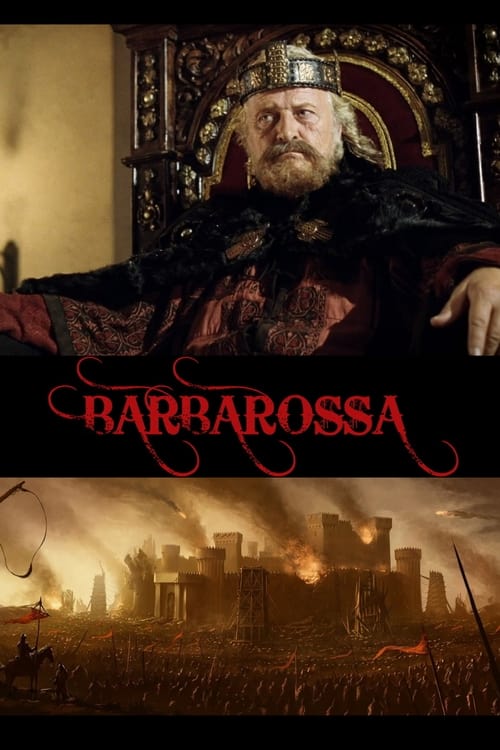
Barbarossa is a traditional historical drama that prioritizes period-specific power dynamics over modern social issues. The narrative structure revolves around the geopolitical realities of the 12th century, highlighting the clash between the Holy Roman Empire and Northern Italian communes. Since the film centers on martial prowess and classical leadership, it leans heavily on traditional masculine archetypes. This focus restricts the exploration of diverse identities or the subversion of established social hierarchies. The film serves as a localized examination of European conflict. It does not aim to deconstruct social structures, choosing instead to tell a classic story centered on sovereignty and military confrontation.
Category Breakdown
The film does not include any LGBTQ+ characters or stories. It stays true to the social norms of 12th-century Italy, focusing on military and political battles.
The story centers on male-dominated military conflicts and traditional masculine leadership roles. It emphasizes the classic warrior and ruler archetypes without challenging gender hierarchies.
The narrative focuses on European territorial disputes between Germanic and Italian forces. It operates as a localized historical drama without incorporating non-Western perspectives or diverse casting.
The themes center on the restoration of imperial power and regional sovereignty. The film adheres to traditional historical motifs without offering contemporary critiques of Western institutions or secularism.
There are no characters with visible or invisible disabilities mentioned in the narrative.
Present on Screen
Limited or Absent
Official Synopsis
Year 1100. Italy.The Northern lands are ruled by a German emperor: Fredrick aka "Barbarossa. His dream is to conquer also the lands in the Center and in the South so as to revive the Empire that was once of the one Charles Magno.But in the North a young man from Milan has formed an army of 900 young men coming from different cities: the "company of death". This young man's name is Alberto Da Giussano. His dream is to defeat the Emperor and to give back freedom to the Northern lands.
2001

1967

2019
2008
2013
1944
2010
1961
No reviews yet. Be the first to share your thoughts on this movie!
Use the rating form above to leave a star rating and optional review.