Shadows
2007
No user ratings available yet
Representation score: 6.5 out of 10
Representation Score
Limited
2002
RDirector
Ari Kirschenbaum
Runtime
84 minutes
Average Rating
No ratings yetNew Showbiz Analysis
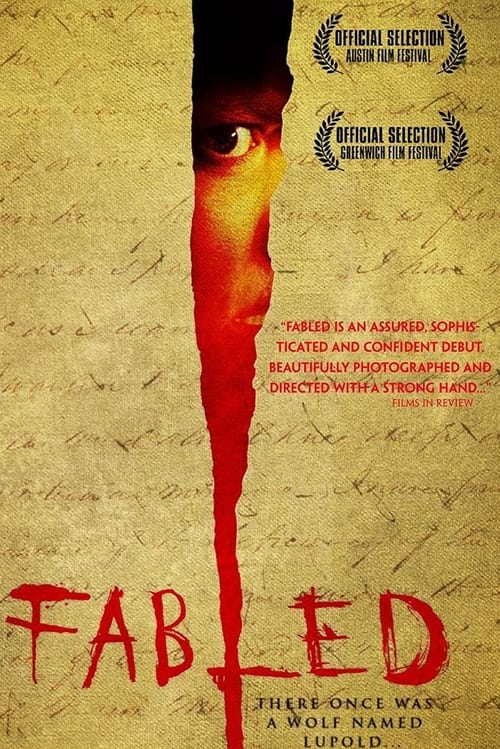
Fabled is a character-driven psychological drama that prioritizes individualistic mystery over diverse representation. The narrative follows traditional genre conventions, focusing on a singular male experience of distress. The film uses an allegorical structure to explore subjective morality, serving the mystery rather than providing social commentary. It lacks the intentionality needed to disrupt established cultural hierarchies. Ultimately, the work functions as a conventional psychological thriller that avoids expanding the spectrum of identity or addressing systemic power dynamics.
Category Breakdown
The story focuses on a heterosexual breakup and a male protagonist's psychological crisis. It doesn't include any non-binary gender identities or critiques of the assumption that everyone is straight.
The narrative revolves around a male protagonist dealing with paranoia. Female characters are mainly plot devices or potential antagonists, rather than agents of change.
The film features a predominantly white cast with no indication of racial diversity. It centers on a homogeneous experience of psychological distress without visible racial complexity.
An allegorical fable structure explores morality and guilt. However, the themes focus on individual existentialism rather than critiques of religion or systemic institutions.
The plot explores mental health through themes of paranoia and dissociation. It’s unclear if neurodivergence is treated with autonomy or used as a horror cliché.
Present on Screen
Limited or Absent
Official Synopsis
Joseph just broke up with his girlfriend and is not taking it very well. He thinks she is plotting against him with their mutual psychiatrist. His dog is missing and he suspects the people at work might be behind it. Then there is the unshakable guilt over his past. It just might all be bearable, somehow possible to live through, if it weren't for those damned 'monsters' that keep trying to kill him. Through an allegorical 'fable' that is told in parallel with Joseph's struggle, we are left to decide for ourselves in the end, who is the crow and who is the wolf., was someone out to get Joseph, was it a stroke of bad luck, or was it all in his head?
2007
2008
2002
2007

2004

1972
2005
2002
No reviews yet. Be the first to share your thoughts on this movie!
Use the rating form above to leave a star rating and optional review.