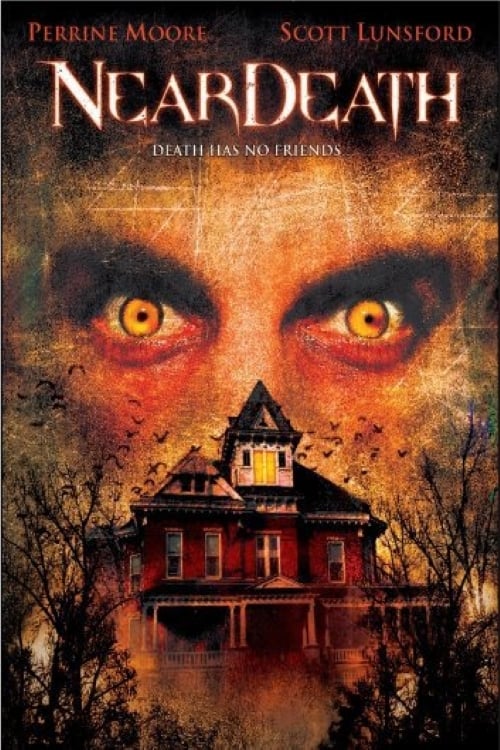
Near Death
2004
No user ratings available yet
Representation score: 2.7 out of 10

Representation Score
Minimal
2004
RDirector
Michael D. Sellers
Runtime
98 minutes
Average Rating
No ratings yetNew Showbiz Analysis
Vlad functions as a genre-driven historical horror that prioritizes period-specific atmosphere over modern representational subversion. The narrative focuses on the geopolitical and spiritual tensions of 15th-century Wallachia, adhering to the established social hierarchies of the era. While the film maintains authenticity through its casting and religious focus, it lacks intentionality regarding diverse identities. The storytelling relies on traditional masculine leadership and binary regional conflicts rather than exploring diverse identities or non-traditional roles.
Category Breakdown
The film contains no discernible LGBTQ+ characters or narratives. Character dynamics remain rooted in traditional historical archetypes without any queer-coded subtext.
Male figures dominate through themes of leadership and warfare. The film reinforces medieval hierarchies rather than challenging gendered power dynamics.
The production uses an Eastern European cast to maintain historical authenticity. It centers Wallachian identity but avoids contemporary multi-layered or color-blind casting approaches.
The plot is driven by the clash between Christian and Islamic empires. It presents a world defined by rigid religious identities and institutional frameworks.
There is no evidence of characters with visible or invisible disabilities. The film does not engage with neurodivergence or physical disability as a thematic core.
Present on Screen
Limited or Absent
Official Synopsis
Death and spiritual torment stalk three American students visiting the Carpathian mountain homeland of Vlad Tepes.
2004
1967

2002
1992
2012
1991
2010
2013
No reviews yet. Be the first to share your thoughts on this movie!
Use the rating form above to leave a star rating and optional review.