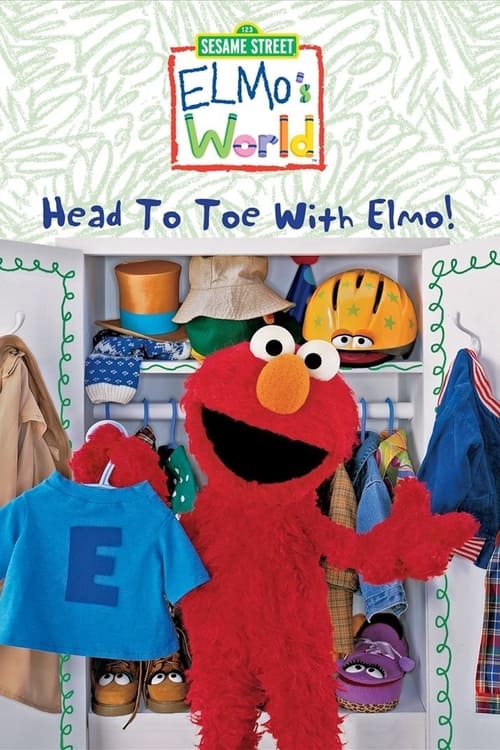
Sesame Street: Elmo's World: Head to Toe with Elmo!
2003
No user ratings available yet
Representation score: 7.5 out of 10
Representation Score
Good
2001
TV-YDirector
Victor DiNapoli, Ken Diego, Emily Squires
Runtime
45 minutes
Average Rating
No ratings yetNew Showbiz Analysis
This musical compilation prioritizes pedagogical goals and communal participation over complex character development. Because it functions as a direct-to-video collection of nursery rhymes, it lacks the narrative density required for deep exploration of systemic power dynamics. However, the work succeeds in creating a non-hierarchical social environment. By replacing traditional authority figures with a collaborative ensemble of Muppets and children, the production fosters a pluralistic atmosphere aligned with progressive educational values. Ultimately, the film operates through meaningful inclusion rather than radical subversion. It maintains the inclusive ethos of the broader franchise while remaining limited by the brevity of its musical sketches.
Category Breakdown
The production focuses on anthropomorphic characters and nursery rhymes rather than romantic orientations. It maintains a neutral stance, avoiding conflicts centered around straight relationships without explicitly featuring LGBTQ+ identities.
Characters like Zoe, Baby Bear, and Elmo engage in egalitarian play. The film avoids reinforcing traditional gender roles but lacks intentionality to challenge these stereotypes.
The film uses a color-blind approach to character interactions within the Sesame Street universe. Human children from various backgrounds participate, suggesting a commitment to a multicultural audience.
Themes center on secular, communal, and educational values. The production favors a universalist approach to childhood through social cohesion and shared musical expression.
The film emphasizes accessibility through auditory and visual stimulation. While specific depictions of neurodivergence are not detailed, characters demonstrate high ability to act within their musical environments.
Present on Screen
Limited or Absent
Official Synopsis
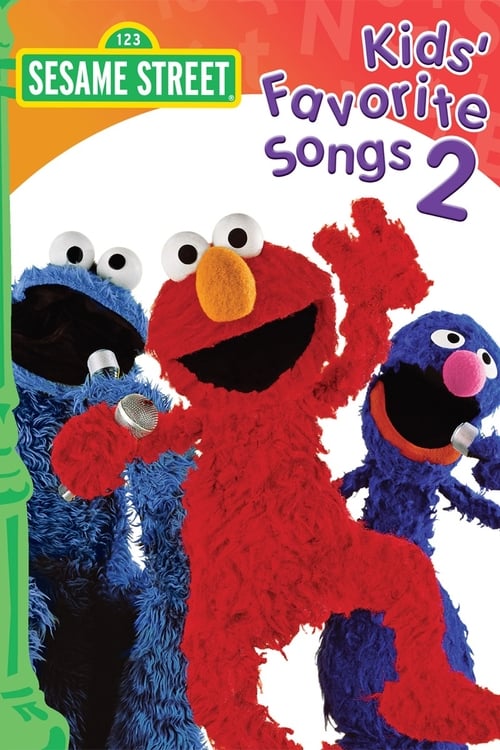
Join Elmo and his Sesame Street pals in the second volume of Kids' Favorite Songs, as Elmo travels up and down Sesame Street asking kids to sing their favorite songs! Snuffy, Baby Bear and Zoe help the kids sing and act out nursery rhymes, lullabies and just plain silly songs. Sing along and find out for yourself which song is Elmo's favorite.
2003

1987
2002
2002
2000

2019
2003
2007
No reviews yet. Be the first to share your thoughts on this movie!
Use the rating form above to leave a star rating and optional review.