
Club Life
2015
No user ratings available yet
Representation score: 3.8 out of 10
Representation Score
Limited
2001
RDirector
Russell Gannon
Runtime
94 minutes
Average Rating
No ratings yetNew Showbiz Analysis
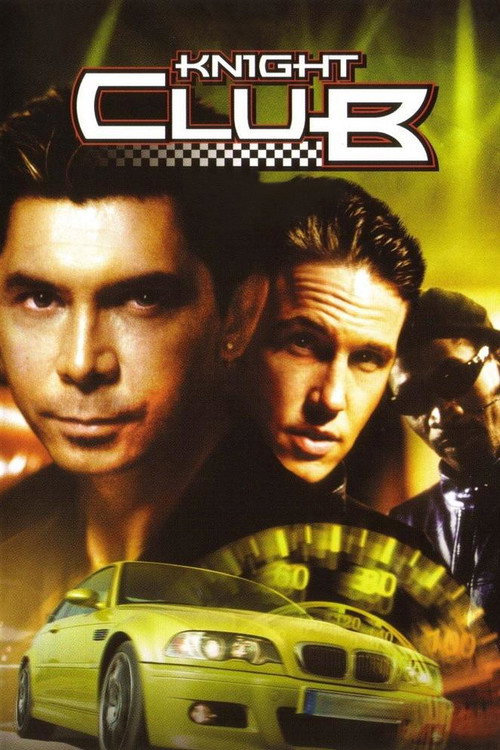
Knight Club is a character-focused drama that highlights racial diversity through its casting choices. By featuring a person of color in a prominent role, the film avoids a monolithic Anglo-Saxon cast. However, the film adheres to conventional storytelling methods. It emphasizes individual struggles and male-dominated hierarchies, avoiding deeper explorations of overlapping identities or critiques of systemic issues. Overall, the film’s representation seems tied to the Los Angeles context rather than a conscious effort to challenge racial or gender norms.
Category Breakdown
The film does not include any visible LGBTQ+ characters or stories about non-cisgender identities. The plot revolves around professional relationships and loyalties in the nightlife industry.
The story focuses on a male-dominated team of bouncers and explores themes of competition among men. There is no indication of strong female characters or challenges to traditional gender roles.
Lou Diamond Phillips stars as the main character, bringing a significant presence of a person of color. The supporting cast also includes diverse actors, reflecting the multicultural nature of Los Angeles.
The story follows a typical moral storyline centered around ambition and loyalty within a capitalist system. It does not offer a critique of broader societal structures.
There are no visible or mentioned characters with physical or cognitive disabilities in the film.
Present on Screen
Limited or Absent
Official Synopsis
A wannabe actor becomes a bouncer and is seduced by the fast-paced world of Los Angeles nightlife.
2015

2021

1998
1998

2015
1995
2001
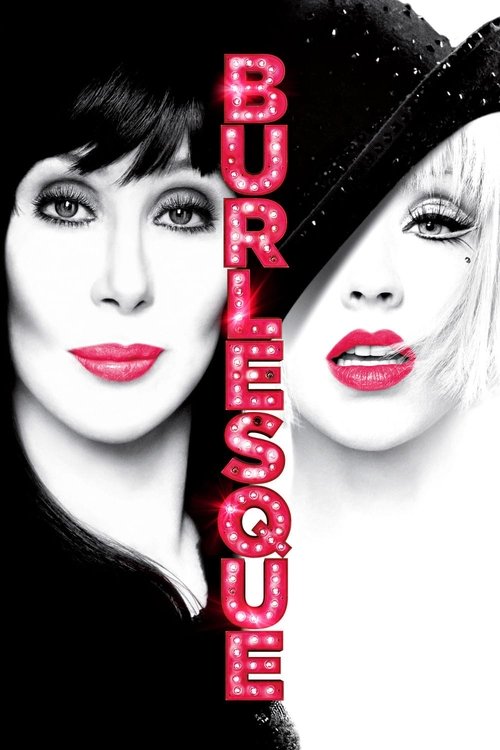
2010
No reviews yet. Be the first to share your thoughts on this movie!
Use the rating form above to leave a star rating and optional review.