Worms
2013
No user ratings available yet
Representation score: 3.3 out of 10
Representation Score
Limited
2004
Not RatedDirector
Mike Nawrocki, Marc Vulcano
Runtime
38 minutes
Average Rating
No ratings yetNew Showbiz Analysis
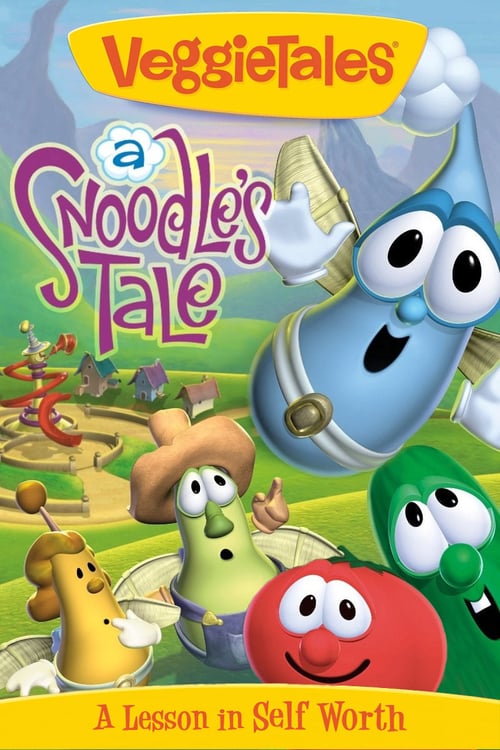
VeggieTales: A Snoodle's Tale functions as a traditional media product designed to reinforce established religious and social norms. The narrative structure prioritizes faith-based teachings and conventional morality over diverse representation or the subversion of societal power structures. Since the cast is made up of anthropomorphic vegetables, the film avoids human racial and ethnic markers. Physical differences are used as metaphors for spiritual growth rather than meaningful representations of disability or neurodiversity. The film maintains a strong, faith-based framework. It upholds traditional Western values and religious identity, providing a stable, conservative worldview for its intended audience rather than challenging existing social structures.
Category Breakdown
The film does not include any LGBTQ+ characters or explore non-straight relationships. The story revolves around traditional social structures without any queer undertones.
Female characters appear in segments like 'Sport Utility Vehicle' but primarily fulfill conventional roles. The film relies on typical gender stereotypes common in early-2000s animation.
Traditional human racial markers are absent since the cast consists of anthropomorphic vegetables. The narrative emphasizes physical uniqueness rather than racial or ethnic identity.
The production is clearly rooted in Christian morality and traditional Western values. Themes of self-worth are discussed through a religious lens rather than secular viewpoints.
The Snoodle’s physical differences are portrayed as a journey toward spiritual acceptance. This serves a moral purpose rather than a detailed exploration of disability.
Present on Screen
Limited or Absent
Official Synopsis
After returning home from what was supposed to be a Danish-immersion camp, Larry the Cucumber meets up with Bob the Tomato for a series of sketches dealing with self-esteem, along with a Silly Song segment. In the first, "The Strange Case of Dr. Jiggle and Mr. Sly," Scooter the Carrot and Larry investigate the appearances of a flashy, disco-dancing gourd in the dark streets of London. Then Larry and a female friend team up for the Silly Song "Sport Utility Vehicle," which pokes fun at preppy SUV owners who dream of using their rugged vehicles for more than just trips to the donut shop. After the song, the title segment follows (in Dr. Seuss-style rhyming verse) the morality tale of a winged creature called a Snoodle, who learns his true self-worth during a mountaintop journey.
2013
2002

2013
1987
1998

2001

2005

2007
No reviews yet. Be the first to share your thoughts on this movie!
Use the rating form above to leave a star rating and optional review.