The Château
2001
No user ratings available yet
Representation score: 4.6 out of 10
Representation Score
Fair
2013
Director
Édouard Deluc
Runtime
91 minutes
Average Rating
No ratings yetNew Showbiz Analysis
Mariage à Mendoza operates as a conventional romantic comedy that prioritizes personal emotional arcs over broader social commentary. The narrative structure relies heavily on traditional storytelling patterns, focusing on the restorative journey of two brothers through the Argentine landscape. While the setting offers a cross-cultural backdrop, the film does not actively seek to disrupt established social hierarchies. The representation of identity remains largely within the bounds of standard cinematic storytelling, using diverse settings as scenery rather than tools for subversion. Ultimately, the film functions as a character-driven travelogue. It explores interpersonal connections and emotional vulnerability without venturing into significant multi-layered or non-normative territory.
Category Breakdown
The story focuses on heterosexual relationships centered around a wedding. There is no representation of non-straight identities or critiques of traditional romantic frameworks.
Male characters drive the plot through their emotional journeys. Although Antoine's depression offers a slight break from rigid masculinity, the film follows conventional gender roles.
The Argentine setting provides a multicultural backdrop for unlikely encounters. However, the narrative focus remains primarily on the visiting brothers' experiences.
The film uses a travelogue structure to celebrate Argentine landscapes. It follows a traditional arc through social milestones like weddings and travel.
A character suffering from Stendhal syndrome introduces a psychological element. It is unclear if this condition is treated seriously or used as a comedic quirk.
Present on Screen
Limited or Absent
Official Synopsis
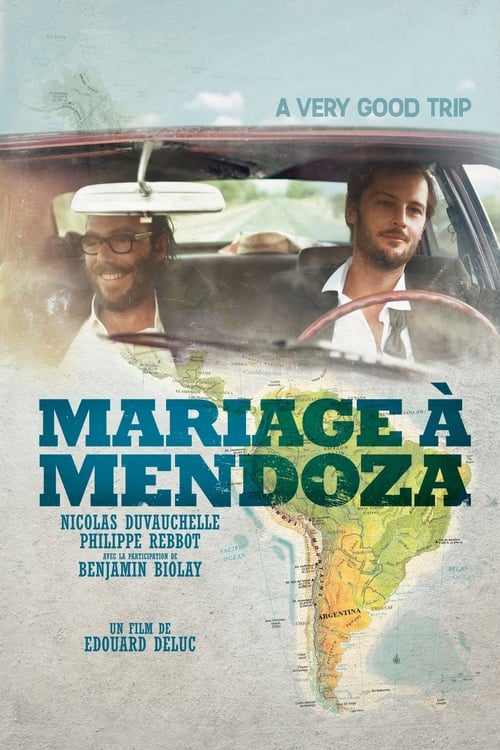
Marcus and his brother Antoine head to Argentina for their cousin’s wedding. They plan to explore all that Buenos Aires has to offer before making the trip to Mendoza in the west. Marcus is thrilled to be on the road and determined to have fun, while Antoine is depressed after being dumped by his wife, who refused to come with them at the last minute. Marcus will do anything it takes to cheer up his little brother. After a very caliente evening in the capital, they hit the road, discovering Argentina vineyard’s and making unlikely encounters –with a crackpot receptionist, a divine beauty, a pregnant ewe, and a guy afflicted by Stendhal syndrome –until, at the end of their journey, the two brothers find peace.
2001
2005
2009

2008

2004
2008

2018
1993
No reviews yet. Be the first to share your thoughts on this movie!
Use the rating form above to leave a star rating and optional review.