A Moment of Happiness
2002
No user ratings available yet
Representation score: 1.9 out of 10
Representation Score
Fair
1999
Director
Laurent Achard
Runtime
86 minutes
Average Rating
No ratings yetNew Showbiz Analysis
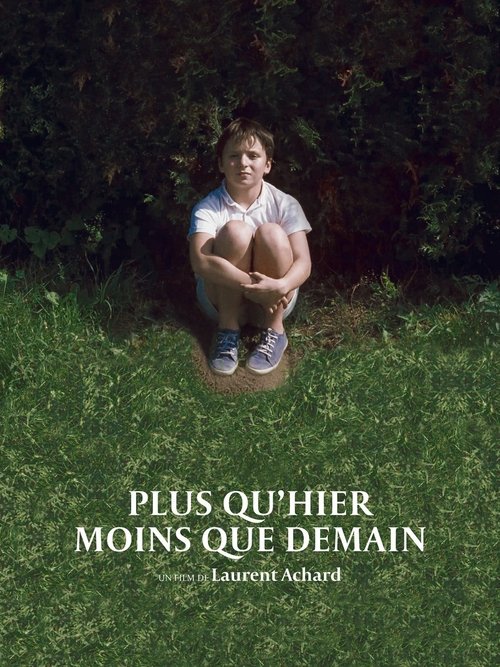
More Than Yesterday presents a grounded social portrait that prioritizes humanistic realism over stylized archetypes. It excels in depicting the intersection of labor, family dynamics, and the immigrant experience within a provincial French setting. The film avoids grand ideological statements, focusing instead on a detailed look at how identity and class intersect during everyday activities. This approach provides a realistic view of characters navigating the margins of both family and industry. While the film lacks explicit LGBTQ+ representation or disability narratives, it succeeds in depicting the socio-economic realities of its characters through a lens of quiet, lived experience.
Category Breakdown
The film does not explicitly address LGBTQ+ themes or challenge the assumption that everyone is straight or cisgender. It focuses on the romantic inclinations of Françoise and familial connections.
The film portrays women's roles through the Mother’s domestic labor and Françoise’s emotional expression, offering a nuanced view of womanhood within a traditional dramatic framework.
Karim's character provides a meaningful exploration of the immigrant experience, highlighting his struggles with undeclared work and unfulfilled dreams.
The story examines the tension between traditional domestic life and modern industrialization, using a new canning factory to discuss the precariousness of the working class.
The narrative does not include characters navigating physical, sensory, or neurodivergent disabilities.
Present on Screen
Limited or Absent
Official Synopsis
The last weekend of summer. Mother is preparing the jars for winter pickling, love-struck Françoise is practising karaoke in front of her little brother Julien. In the shed behind the house, Karim is doing some "undeclared" work, having given up on his acting dreams. In a few hours, the new canning factory, where Father works, will be inaugurated. No one is expecting Sonia, who decides to turn up that very morning.
2002
2007
2001
1998
1981
2018

2004
1999
No reviews yet. Be the first to share your thoughts on this movie!
Use the rating form above to leave a star rating and optional review.