
Maria Goretti
2003
No user ratings available yet
Diversity score: 1.9 out of 10
2005
Director
Giulio Base
Runtime
186 minutes
Average Rating
No ratings yetSynopsis
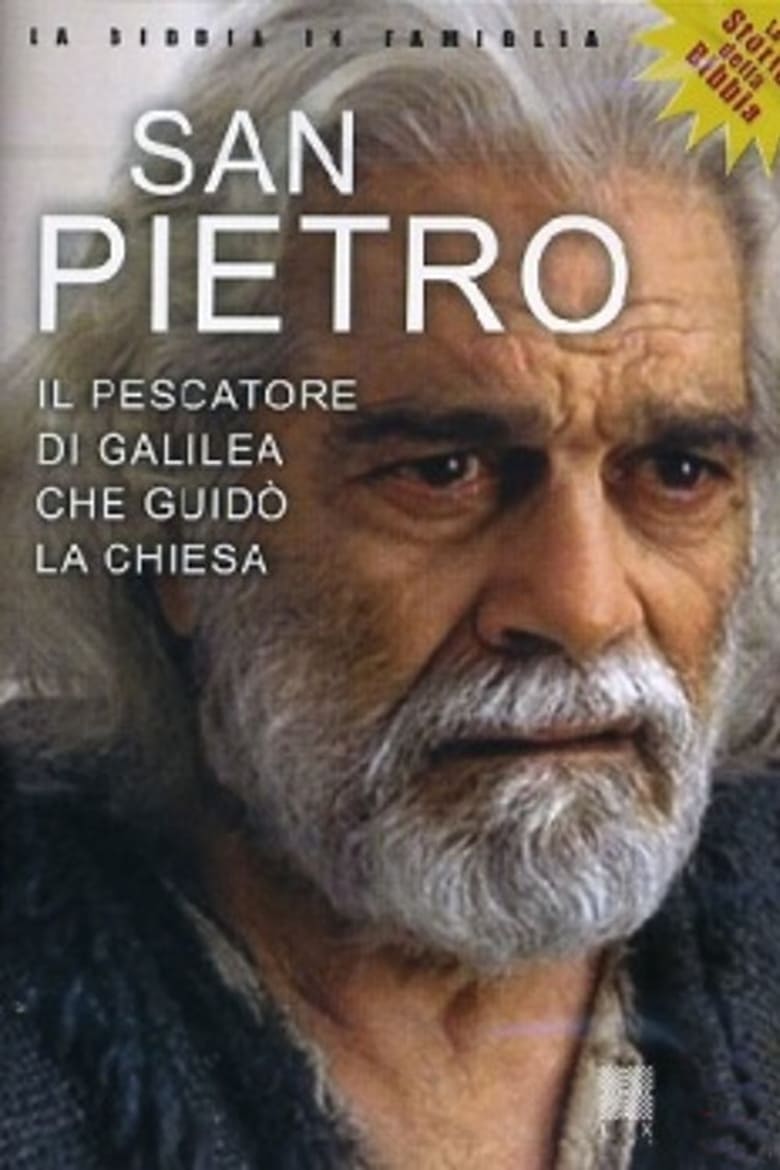
Saint Peter, a reluctant but passionate leader, from the crucifixion of Jesus to his own. The film's first half dramatizes the New Testament's "Acts": early fear, the renewal of Pentecost, Saul's conversion, the decision to baptize pagans, and the Apostles' dispersal. In the second half, an aged Peter goes to Rome to join Paul, arriving on the day of Paul's arrest. Paul's death brings a crisis to Rome's Christians and to Peter; lessons from Jesus's teachings guide his decision to stay. Events within the fictive household of Persius, a Roman aristocrat, capture the upheaval that Christian teachings bring to the Eternal City.
Overall Score
Limited
Category Breakdown
LGBTQ+ Representation
The film focuses on the foundational period of early Christianity and the lives of the Apostles. There is no evidence of non-cisnormative gender identities or depictions of same-sex intimacy.
Gender Representation
Narrative agency is centered on male leadership, specifically Peter and Paul. While the household of Persius may include women, spiritual authority remains aligned with traditional masculine hierarchies.
Racial & Ethnic Diversity
The Mediterranean setting suggests a diverse cast, though the story remains centered on New Testament figures. There is no explicit evidence of intentional efforts to disrupt the period's ethnic status quo.
Religious & Cultural Diversity
The film functions as a dramatization of Christian doctrine and the lives of saints. It reinforces singular Christian morality and the sanctity of religious institutions rather than critiquing them.
Disability Representation
The available synopsis provides no mention of characters navigating physical, sensory, or neurodivergent disabilities. Consequently, no representation can be identified.
Strengths
Areas for Improvement
AI Analysis
St. Peter is a traditional historical drama that prioritizes religious orthodoxy and classical narrative structures. It functions primarily as a reinforcement of established spiritual hierarchies rather than a subversion of social norms. The film's focus on the lives of the Apostles and the establishment of early Christian doctrine results in a narrative dominated by patriarchal leadership. While the historical setting allows for Mediterranean ethnic variety, the story remains tethered to traditionalist values. Ultimately, the work serves to uphold religious tradition and the martyrdom of its central figures, offering little engagement with modern intersectional or secular perspectives.
No reviews yet. Be the first to share your thoughts on this movie!
Use the rating form above to leave a star rating and optional review.