Find another title
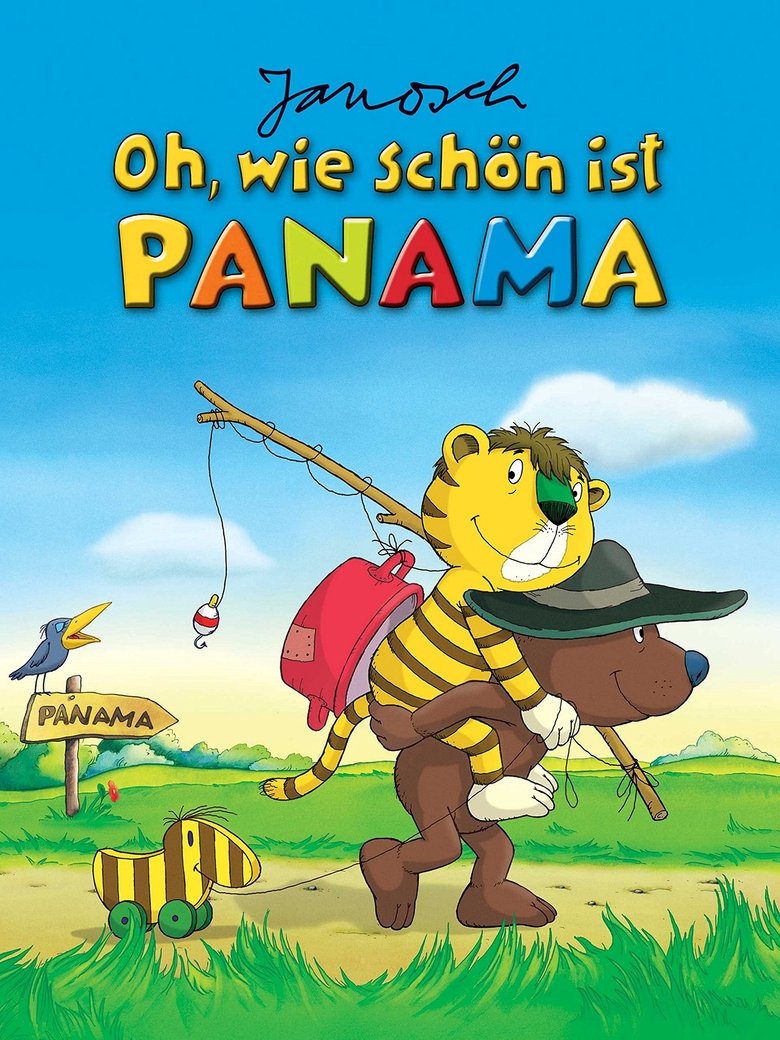
The Trip to Panama
2006
Director
Martin Otevrel, Guido Schmelich
Runtime
70 minutes
Average Rating
No ratings yetSynopsis
The two friends Little Tiger and Little Bear live happily together in a little house by the lake. But when they find a strange wooden crate from Panama, they both fantasise about a beautiful place where everything is bigger, better and more beautiful.
Where to Watch
Diversity & Representation
Overall Score
Limited
Category Breakdown
LGBTQ+ Representation
The film offers no evidence of non-cisnormative identities or same-sex intimacy. The story centers on a platonic friendship between two animal characters.
Gender Representation
Using anthropomorphic animals allows the characters to bypass traditional human gender hierarchies. This provides a neutral presentation of agency that avoids common masculine or feminine tropes.
Racial & Ethnic Diversity
The use of animal metaphors provides a symbolic way to explore diversity. However, the pursuit of an 'exotic' Panama risks leaning into colonialist tropes of a distant land of abundance.
Religious & Cultural Diversity
The narrative follows traditional adventure tropes focused on escapism. It seeks a perceived utopia rather than challenging or deconstructing existing societal or cultural structures.
Disability Representation
There is no indication that neurodivergence or physical disabilities are integrated into the plot. The character arcs do not feature sensory or physical impairments.
Strengths
- The use of anthropomorphic animals provides a baseline of gender neutrality.
- The animal metaphors offer a way to explore diversity outside of human racial constructs.
Areas for Improvement
- The narrative risks utilizing colonialist tropes by framing Panama as an exotic land of abundance.
- The film lacks intentionality in exploring intersectional identities or complex social themes.
- The plot follows conventional escapist patterns rather than challenging societal structures.
AI Analysis
The Trip to Panama is a conventional family animation that relies on anthropomorphic protagonists to drive its adventure narrative. While the animal characters provide a level of gender neutrality, the film lacks intentionality regarding complex social identities. The story follows a standard escapist arc, moving from domestic stability to the pursuit of a perceived utopia. This structure prioritizes traditional adventure tropes over the subversion of systemic power dynamics or intersectional exploration. Ultimately, the film functions as a simple tale of aspiration. It avoids deep engagement with identity-based themes, focusing instead on the transition from the known to the imagined.
Rate this Movie
Reviews
No reviews yet. Be the first to share your thoughts on this movie!
Use the rating form above to leave a star rating and optional review.