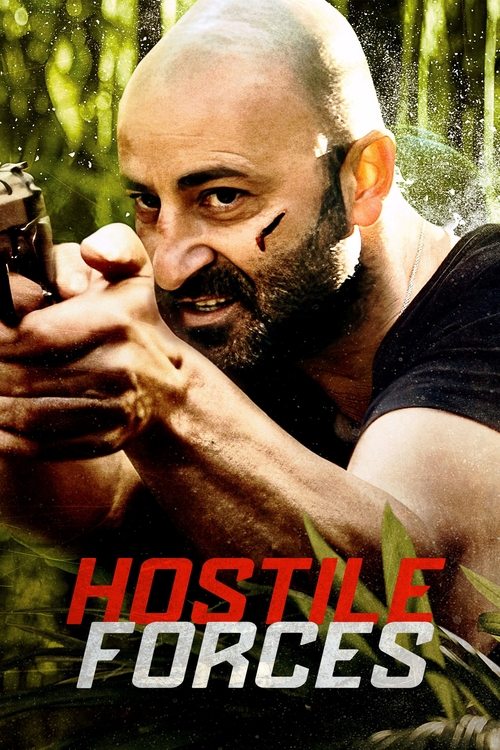
Hostile Forces
2023
No user ratings available yet
Representation score: 3.5 out of 10

Representation Score
Minimal
2025
RDirector
Joe Carnahan
Runtime
103 minutes
Average Rating
No ratings yetNew Showbiz Analysis
Shadow Force features a diverse cast that challenges the genre's historical whiteness by including Black and French-Algerian actors in key roles. However, the narrative structure remains conservative, emphasizing traditional gender roles and family structures. The film reinforces heterosexual marriage as the ultimate moral foundation, while male authority serves as the primary source of conflict. Kyrah's role is defined by her maternal instincts rather than independent strength. The story fails to challenge traditional gender roles or critique Western institutional power, resulting in a limited progressive representation score despite the promising racial diversity.
Category Breakdown
There are no LGBTQ+ characters or non-traditional identities in the film, which emphasizes a conventional heterosexual relationship between the main characters.
Kyrah's role is defined by her protective instincts rather than independent strength. The male antagonist embodies a strong, controlling presence, reinforcing traditional gender roles where women are expected to escape male dominance.
The film includes Black and French-Algerian leads, breaking the genre's typical whiteness. However, their racial identities are not deeply explored or connected to systemic issues, limiting the narrative's depth in addressing multiple aspects of identity.
The story supports Western institutions and traditional family values, focusing on personal conflicts rather than broader ideological critiques. It lacks exploration of alternative cultural or moral frameworks beyond individual loyalties.
None of the characters have visible or invisible disabilities, neurodivergence, or chronic illness. The emphasis on physical combat and espionage highlights able-bodied protagonists without representing disabled individuals.
Present on Screen
Limited or Absent
Official Synopsis
Kyrah and Isaac were once the leaders of a multinational special forces group called Shadow Force. They broke the rules by falling in love, and in order to protect their son, they go underground. With a large bounty on their heads, and the vengeful Shadow Force hot on their trail, one family's fight becomes all-out war.
2023

2026

2025

2018

2025
1995

2013

2012
No reviews yet. Be the first to share your thoughts on this movie!
Use the rating form above to leave a star rating and optional review.