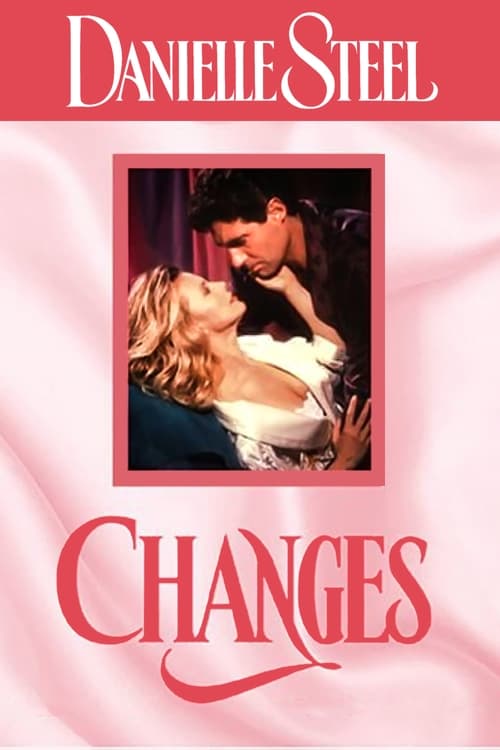
Changes
1991
No user ratings available yet
Representation score: 2.2 out of 10
Representation Score
Limited
1991
TV-PGDirector
Michael Miller
Runtime
100 minutes
Average Rating
No ratings yetNew Showbiz Analysis
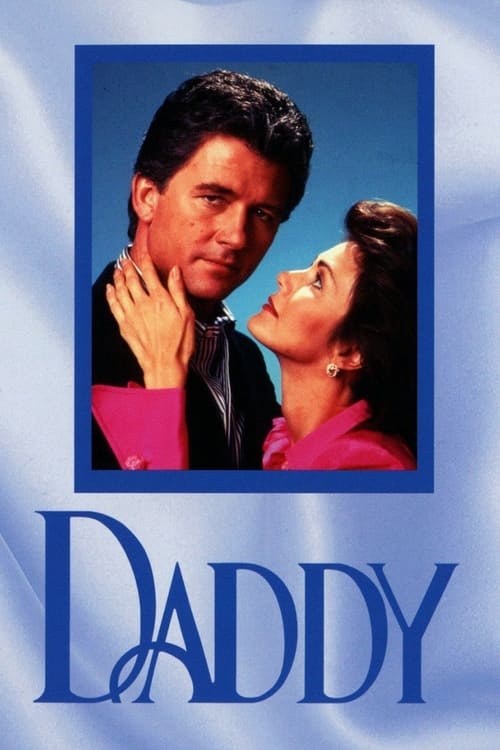
Daddy is a conventional 1990s domestic drama that emphasizes the stability of the nuclear family. While it highlights Sarah's desire for an independent life, challenging traditional roles, the film remains rooted in established social structures. The lack of racial, cultural, or LGBTQ+ diversity confines the narrative to a narrow, Anglo-centric perspective. It focuses on the personal consequences of marital dissolution rather than broader societal issues. Ultimately, the film serves as a character study of a man navigating loss and new romance, without addressing characters who reflect more than one aspect of diversity.
Category Breakdown
There are no visible LGBTQ+ characters or critiques of traditional gender norms in the film.
Sarah’s pursuit of an intellectual career challenges the stereotype of the submissive wife. However, the story remains focused on the male protagonist's emotional journey during his divorce.
The story centers on a homogeneous, middle-class Western family. There is no evidence of racial diversity or varied identities influencing the plot.
The drama examines the conflict between conservative traditions and bohemian lifestyles. It emphasizes individual ability to act versus the stability of the family unit.
The narrative does not include any characters with visible or invisible disabilities.
Present on Screen
Limited or Absent
Official Synopsis
Oliver Watson has never been luckier: he is a successful advertising executive, shares a marriage of eighteen years with Sarah and has three loving kids: 17-year-old Ben, 15-year-old Melissa, and 9-year-old Sam. His perfect life suddenly falls apart when his wife Sarah announces that she wants to enter a graduate school 200 miles away from home, as she regrets that she gave up her bohemian protester's life and promising writing career to become the wife of a conservative traditionalist. Oliver unsuccessfully tries to save his marriage, until Sarah announces that she is seeing someone else. The children start acting out as a reaction and life is complicated by the death of Oliver’s mother and accepts a job in L.A. where he falls in love with Charlotte Sampson. Life again challenges Oliver when Charlotte is offered her dream job on Broadway.
1991
1978
1994
1981
1983

2024
1997
1979
No reviews yet. Be the first to share your thoughts on this movie!
Use the rating form above to leave a star rating and optional review.