
The Black Minutes
2021
No user ratings available yet
Representation score: 5.4 out of 10
Representation Score
Good
2017
TV-14Director
Raya Martin
Runtime
111 minutes
Average Rating
No ratings yetNew Showbiz Analysis
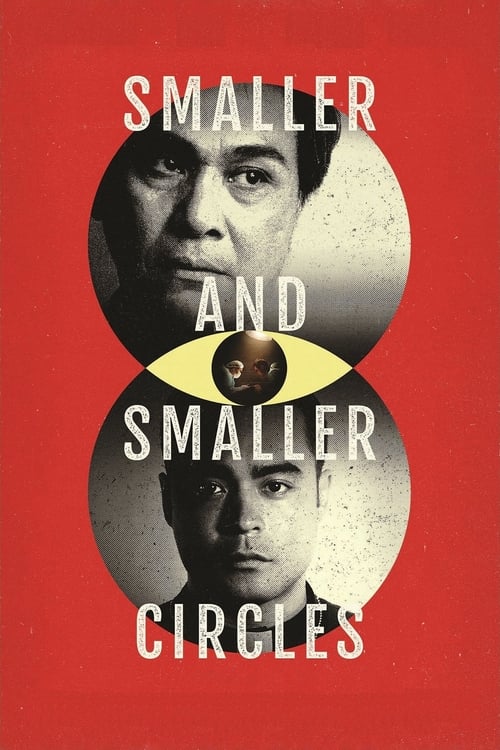
Smaller and Smaller Circles succeeds as a localized crime thriller that rejects Western-centric investigative clichés. It excels by grounding its narrative in the specific cultural and geographic realities of the Philippines, offering a sharp critique of institutional failure and class disparity. However, the film remains tied to traditional social structures. The heavy focus on male authority and the absence of explicit LGBTQ+ representation limit its scope of social diversity. Ultimately, the film's strength lies in its ability to use the thriller genre to examine the intersection of religion, state corruption, and the vulnerability of the urban poor.
Category Breakdown
The film adheres to a traditional framework that assumes everyone is straight or cisgender. It does not prominently feature LGBTQ+ relationships or non-cisgender identities.
The story centers around male characters, particularly two Jesuit priests. It lacks significant involvement of women in the investigative process.
The film presents an authentic Filipino perspective. It avoids whitewashing by emphasizing local viewpoints and linguistic nuances in Quezon City.
The story offers a critical look at the Catholic Church and state institutions. It highlights how systemic corruption and socioeconomic neglect affect underrepresented communities.
The film focuses on psychological trauma and mental health issues. These elements serve the central mystery rather than exploring disability as an independent experience.
Present on Screen
Limited or Absent
Official Synopsis
A serial killer in Payatas leaves the bodies of young boys in the dump as two Jesuit priests try to solve the murders.
2021

2011

2017

2010

2006

2000
2009

2010
No reviews yet. Be the first to share your thoughts on this movie!
Use the rating form above to leave a star rating and optional review.