The Canterville Ghost
2023
No user ratings available yet
Representation score: 4.7 out of 10
Representation Score
Fair
2006
Not RatedDirector
Mark Gravas
Runtime
78 minutes
Average Rating
No ratings yetNew Showbiz Analysis
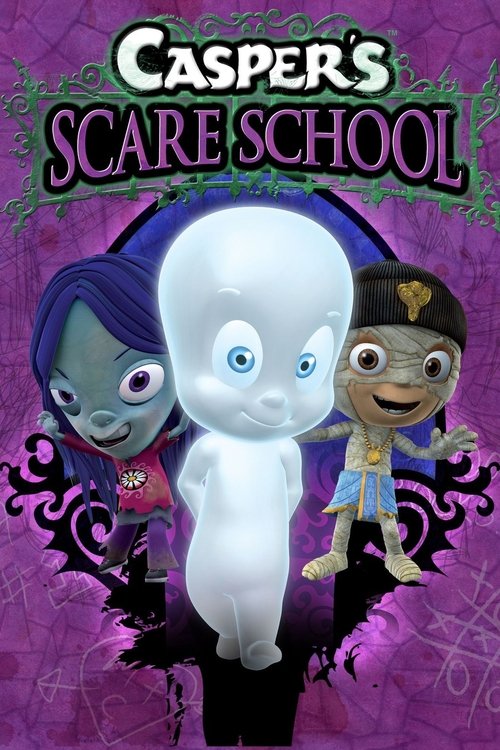
Casper's Scare School is a typical animated comedy that uses supernatural elements to explore the tension between personal identity and institutional pressures. The protagonist's resistance to the school's 'scary' standards provides a foundation for representation. While the film lacks explicit multi-layered depth or overt political subversion, its use of 'othered' monster identities challenges the idea of a singular social standard. Characters' physical conditions are integrated into the narrative rather than treated as external barriers. Ultimately, the film's strength lies in its ability to use fantasy to mirror themes of resisting systemic expectations, even if it stays within safe, comedic boundaries.
Category Breakdown
The story revolves around supernatural archetypes and school camaraderie. It does not include any non-straight or non-cisgender identities or same-sex relationships.
The film features an equal mix of male and female characters. It avoids traditional gender stereotypes by giving female characters prominent roles, but it does not delve deeply into subverting gender hierarchies.
The narrative employs monsters as metaphors for 'otherness.' By using non-human species, the film addresses diversity and 'otherness' without human characters of different races.
The Scare School setting critiques institutional conformity. However, the film adheres to traditional fantasy structures without engaging in deeper cultural or secular critiques.
Characters like Mantha and Ra have physical instabilities as key identity traits. These physical conditions are central to the group dynamics rather than being used merely as plot devices.
Present on Screen
Limited or Absent
Official Synopsis
When Casper's been being friendly lately even when playing with a boy named Jimmy, Kibosh: The King of the Underworld has Casper enrolled into a Scare School headed by the two-headed headmaster Alder and Dash. He befriends Ra, a mummy with unraveling issues and Mantha, a zombie girl who keeps falling apart. When Casper discovers the two-headed headmaster's plot to use a petrification potion to turn Kibosh into stone and take over the Underworld and Deedstown, he and his new friends must stop him.
2023
1988
2007
2005
2015
2004
2012
1998
No reviews yet. Be the first to share your thoughts on this movie!
Use the rating form above to leave a star rating and optional review.