Faccia d'angelo
2012
No user ratings available yet
Representation score: 0.0 out of 10
Representation Score
Limited
2008
Director
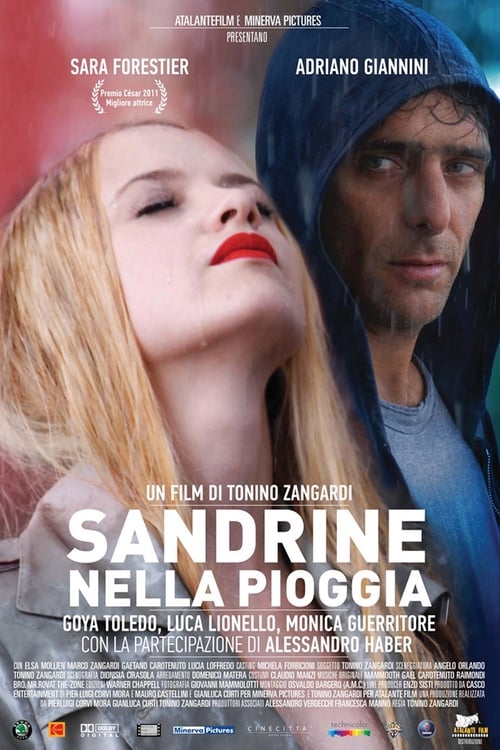
Tonino Zangardi
Runtime
105 minutes
Average Rating
No ratings yetNew Showbiz Analysis
Sandrine in the Rain is a character-driven drama that emphasizes psychological complexity over broad social narratives. It excels in challenging binary moral structures, presenting a multifaceted exploration of guilt and revenge rather than a straightforward hero-versus-villain storyline. The film’s strength lies in its portrayal of a powerful female protagonist who shapes the plot through strategic thinking and psychological tactics. This elevates the female lead beyond a mere victim of circumstances. However, the film falls short in terms of diverse representation. It primarily focuses on a homogeneous European setting, offering limited visibility for LGBTQ+ identities or varied racial backgrounds.
Category Breakdown
The story focuses on a heterosexual relationship between Sandrine and Leonardo. There are no characters with non-cisgender identities or critiques of the assumption that everyone is straight.
Sandrine drives the plot through strategic thinking and psychological manipulation, challenging the stereotype of the passive female character. However, the narrative ends with a traditional romantic resolution.
The film is set in a predominantly white European context. There are no characters from diverse racial backgrounds or multi-layered casting.
The film questions traditional notions of justice by focusing on individual psychological states and personal morality rather than institutional or patriotic ideals.
The narrative delves into psychological trauma and the burden of guilt. However, there are no characters explicitly shown with disabilities.
Present on Screen
Limited or Absent
2012
2008
2008

2015

2012
2023
2020
2007
No reviews yet. Be the first to share your thoughts on this movie!
Use the rating form above to leave a star rating and optional review.