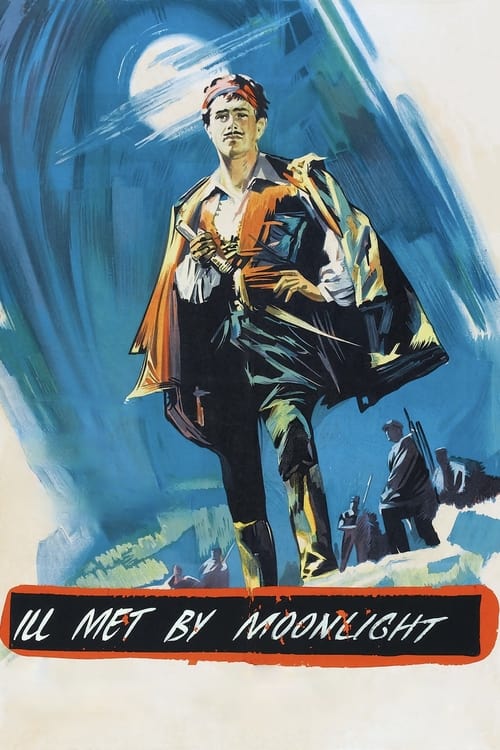
Ill Met by Moonlight
1957
No user ratings available yet
Representation score: 0.6 out of 10

Representation Score
Minimal
1942
NRDirector
Raoul Walsh
Runtime
107 minutes
Average Rating
No ratings yetNew Showbiz Analysis
Desperate Journey is a classic wartime adventure that emphasizes a cohesive, culturally homogeneous portrayal of heroism. The narrative is built around traditional hierarchies and a binary moral framework common to 1942 cinema. The film lacks complexity in representing diverse identities and focuses instead on the physical survival and tactical movements of an Allied crew. It reinforces established gender roles and a Eurocentric worldview through its depiction of the conflict. Ultimately, the work reflects its historical context, emphasizing Western institutions and masculine leadership over diverse or nuanced character representations.
Category Breakdown
The film does not include any LGBTQ+ characters or identities that go beyond the assumption that everyone is straight or cisgender.
The story revolves around male crew members who play key roles in driving the narrative. Women are shown in supporting roles, often serving as emotional anchors rather than taking active control.
The cast is primarily composed of white actors, reflecting the Eurocentric perspective of the time. There are no significant roles for non-white characters in the main storyline.
The story highlights patriotism and a clear moral distinction between Allied heroes and Nazi enemies. It upholds traditional Western values and wartime unity.
The film does not portray any characters with visible or invisible disabilities who play a significant role in driving the story. It focuses on the physical perfection typical of 1940s action heroes.
Present on Screen
Limited or Absent
Official Synopsis
A British bomber crew, including Australian and American, is shot down over Germany during a bombing run. The five make their way across a perilous Germany, intent on reaching the UK with the war secrets they have learned, battling Nazis along the way.
1957
1941

1945
1943
1957

1941

1942
1943
No reviews yet. Be the first to share your thoughts on this movie!
Use the rating form above to leave a star rating and optional review.