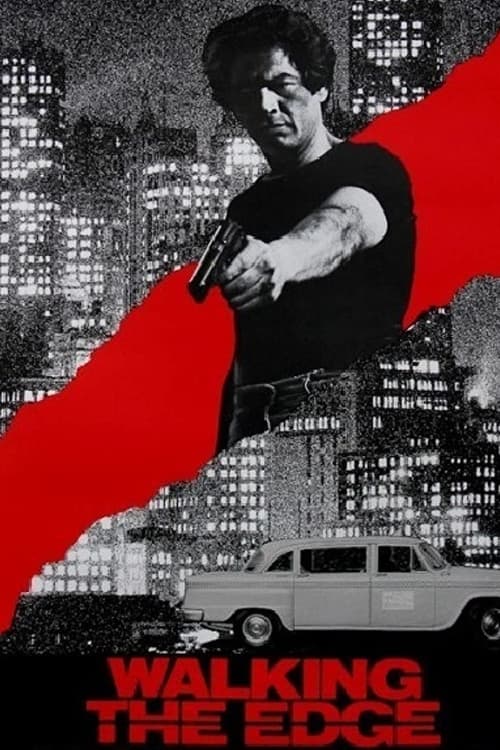
Walking the Edge
1985
No user ratings available yet
Representation score: 1.8 out of 10

Representation Score
Minimal
1975
PGDirector
Jonathan Kaplan
Runtime
90 minutes
Average Rating
No ratings yetNew Showbiz Analysis
White Line Fever is a period-specific character study that prioritizes socioeconomic commentary over demographic breadth. It functions as a gritty look at the 1970s working class through the lens of the trucking industry. While the film lacks depth in representing race, gender, and orientation, it achieves narrative complexity by deconstructing the idealized American worker. The focus remains on the tension between individual autonomy and systemic industrial pressures. Ultimately, the film's strength lies in its critique of power dynamics rather than its diversity of cast members.
Category Breakdown
The film does not include any LGBTQ+ characters or relationships that go beyond the assumption that everyone is straight or cisgender. The story focuses solely on the protagonist's traditional domestic partnership.
The narrative centers on male professional struggles and physical ability to act. While it depicts the emotional labor of the female partner, it maintains a traditional gender hierarchy where men have more control over the story.
The cast is relatively homogeneous, focusing primarily on white, working-class identities. It lacks significant depth in representing different backgrounds and ethnicities.
The film offers a strong critique of economic institutions. It frames the conflict as a struggle between individual workers and exploitative corporate management.
There is no evidence of characters navigating physical or neurodivergent disabilities as central narrative elements.
Present on Screen
Limited or Absent
Official Synopsis
An independent trucker with a pregnant wife fights cargo crooks and the big shot they work for.
1985

1972
1977
1974
1980

1940

1938
1973
No reviews yet. Be the first to share your thoughts on this movie!
Use the rating form above to leave a star rating and optional review.