Find another title
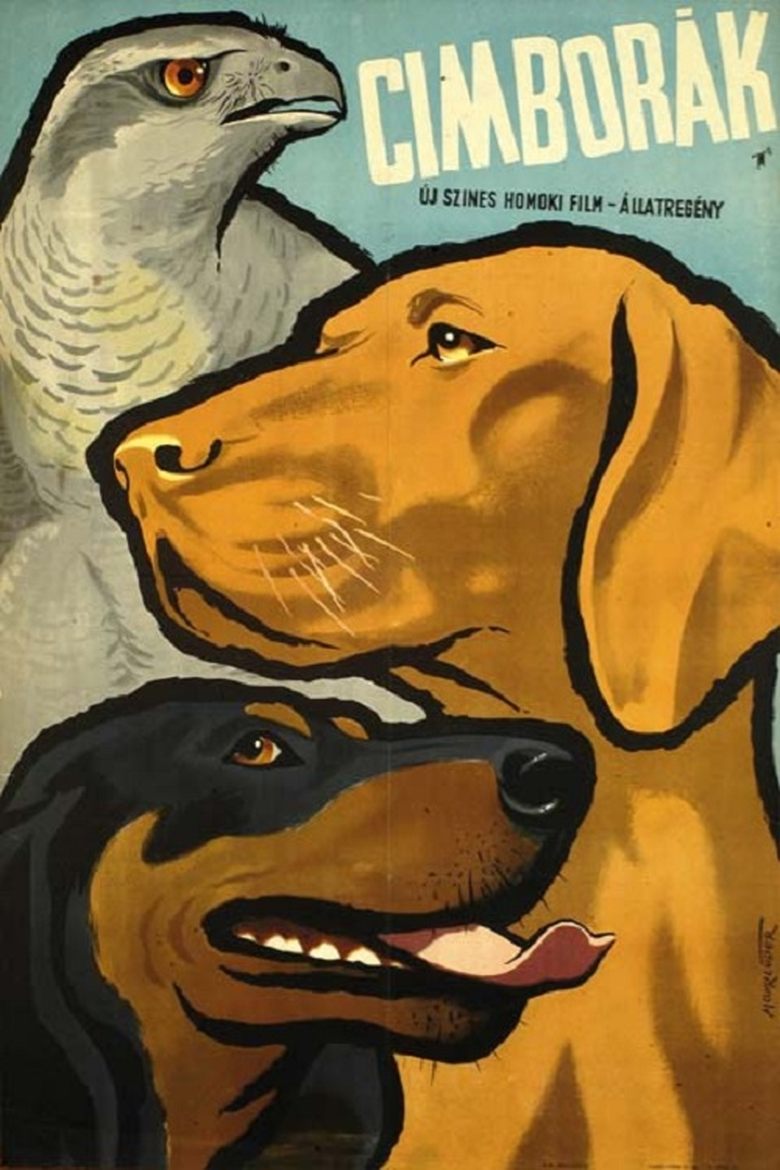
Buddies - In the wind of reeds
1958
Director
István Homoki Nagy
Runtime
76 minutes
Average Rating
No ratings yetSynopsis
The film recounts the adventures of three lovable animals, a Viszla, a Dachshund and a northern goshawk. The animals are accidentally taken to the shores of Lake Kis-Balaton, where many surprises and adventures await them. Created in 1958, it is a classic of Hungarian nature film, generations have grown up with it, and today's children still enjoy the story of Ficko, Pletyka and Nimrod in a beautiful setting.
Where to Watch
Diversity & Representation
Overall Score
Fair
Category Breakdown
LGBTQ+ Representation
The film focuses on interspecies companionship between a Viszla, a Dachshund, and a northern goshawk. There is no explicit depiction of LGBTQ+ identities or queer-coded subtext.
Gender Representation
Agency is distributed among animal protagonists, which disrupts conventional human-centric gender roles. However, the lack of specific gendered character arcs results in a moderate score.
Racial & Ethnic Diversity
The narrative avoids racialized conflict by focusing on a natural landscape without a human cast. It lacks diverse human ethnic portrayals entirely.
Religious & Cultural Diversity
The story prioritizes ecological existence over human social constructs like religion or patriotism. It emphasizes a connection to the natural world over institutional structures.
Disability Representation
There is no documented evidence regarding the portrayal of physical or neurodivergent disabilities within the animal protagonists or the environment.
Strengths
- Disrupts human-centric gender roles by granting agency to animal protagonists.
- Avoids human racial hierarchies by focusing on a non-human cast.
- Prioritizes ecological existence over rigid societal or religious norms.
Areas for Improvement
- Lacks explicit representation of LGBTQ+ identities or queer-coded narratives.
- Does not feature diverse human ethnic or cultural portrayals.
- Provides no documented representation of physical or neurodivergent disabilities.
AI Analysis
This 1958 Hungarian classic shifts the narrative lens away from human social hierarchies by centering on the adventures of three animals. By focusing on Ficko, Pletyka, and Nimrod, the film bypasses traditional human-centric tropes of race, gender, and sexuality. While the animal-centric perspective provides a vacuum where human prejudices are absent, the film lacks intentional engagement with identity politics. It functions as a naturalistic adventure rather than a vehicle for social representation. Ultimately, the film's diversity is a byproduct of its subject matter. It offers a secular, ecological viewpoint that displaces human social structures in favor of the natural world.
Rate this Movie
Reviews
No reviews yet. Be the first to share your thoughts on this movie!
Use the rating form above to leave a star rating and optional review.