
Underdog
2019
No user ratings available yet
Representation score: 4.7 out of 10
Representation Score
Fair
2025
RDirector
Benny Safdie
Runtime
123 minutes
Average Rating
No ratings yetNew Showbiz Analysis
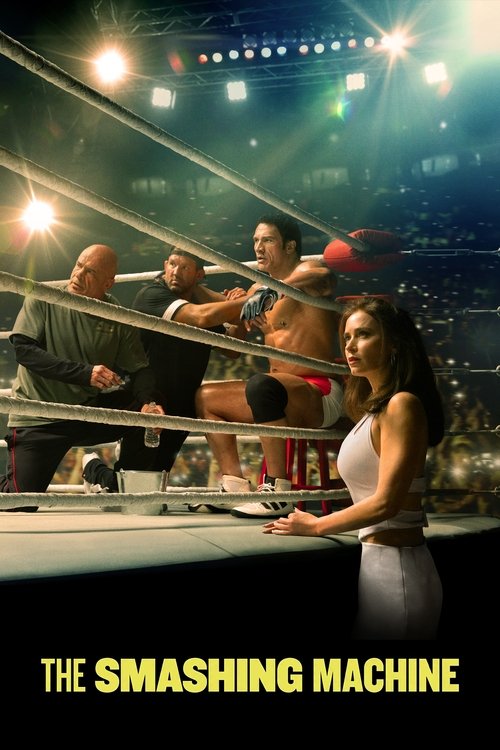
The Smashing Machine focuses on a white male protagonist, which limits its racial and LGBTQ+ representation. The narrative follows traditional sports biopic structures, where the male journey is central and the female character serves mainly as an emotional mirror or anchor. This reinforces conventional gender dynamics rather than challenging them. While the film offers a critical look at the sports industry’s exploitation of athletes, this critique remains focused on individual issues. It emphasizes personal decay and addiction rather than broader systemic issues related to race, gender, or disability. The lack of diverse perspectives in the main cast and narrative scope results in a moderate overall diversity score. The film’s intense direction highlights the physical toll of MMA but does not broaden the narrative to include underrepresented voices or alternative viewpoints.
Category Breakdown
The film lacks any clear LGBTQ+ representation. The central romantic relationship is strictly heterosexual, shown through the tumultuous and dependent bond between Mark Kerr and Dawn. There are no characters who don't identify with the gender they were assigned at birth, and the story doesn't touch on queer themes or identities.
Emily Blunt’s character, Dawn, provides emotional support but mostly reacts to Kerr’s actions. The film reinforces the idea of the 'troubled male genius' whose chaos is managed by a female partner, failing to challenge traditional gender hierarchies or give the female lead a strong role in driving the story.
The cast is mainly white, with Dwayne Johnson and Emily Blunt taking the lead roles. Actors of color have minor roles that don’t significantly affect the main story. The film doesn’t delve into racial dynamics or systemic racism, focusing instead on universal themes of addiction and fame.
Safdie’s intense direction criticizes the exploitation of athletes’ bodies in sports, portraying Kerr’s physicality as a site of abuse. The depiction of the 1990s MMA scene highlights the lack of regulation and harsh realities, challenging sanitized sports biopic narratives without directly criticizing Western institutions.
The film tackles addiction and mental health, particularly opioid dependency, viewed as an invisible disability. Kerr’s struggle is shown honestly, avoiding inspirational stories by depicting the severe consequences, though it portrays addiction as a personal flaw rather than a systemic issue.
Present on Screen
Limited or Absent
Official Synopsis
In the late 1990s, up-and-coming mixed martial artist Mark Kerr aspires to become the greatest fighter in the world. However, he must also battle his opioid dependence and a volatile relationship with his girlfriend Dawn.
2019
2020
2010

2019

2018
2025

2020
2016
No reviews yet. Be the first to share your thoughts on this movie!
Use the rating form above to leave a star rating and optional review.