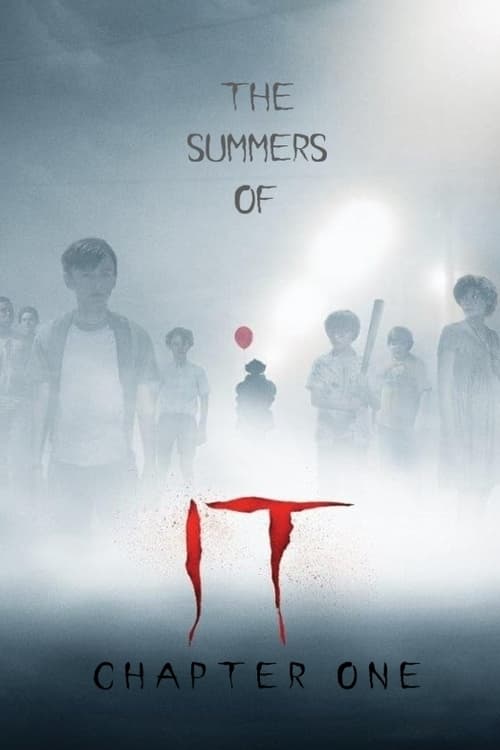
The Summers of It – Chapter One: You'll Float Too
2019
No user ratings available yet
Representation score: 4.8 out of 10
Representation Score
Limited
2019
NRDirector
Constantine Nasr
Runtime
40 minutes
Average Rating
No ratings yetNew Showbiz Analysis
This documentary serves as a pedagogical look at the making of IT: Chapter Two. Its primary objective is to document the professional journeys of the cast and crew during production. Because the film is a supplemental piece of archival material, it lacks the thematic depth to engage in social critique. It prioritizes the technical and humanistic processes of filmmaking over the deconstruction of power dynamics. Ultimately, the work functions as a professional retrospective rather than an intentional exploration of identity or systemic social structures.
Category Breakdown
The documentary focuses on the logistics and performance aspects of a horror film production. It includes no intentional LGBTQ+ character arcs or critiques of the assumption that everyone is straight or cisgender.
The film maintains a neutral observational stance. While it features female crew and actors, it lacks a framework to challenge traditional gender hierarchies.
The focus on the actors' journeys suggests standard industry representation. There is no evidence of race-bent casting or the use of non-human species as racial metaphors.
The work adheres to traditional industry standards. It does not prioritize secularism over religion or frame Western institutions as inherently oppressive.
There is no documented evidence regarding the inclusion of characters or crew members with visible or invisible disabilities driving the narrative.
Present on Screen
Limited or Absent
Official Synopsis
This documentary focuses on the actors and their journey over two summers to create the remake to the original IT, by Stephen King. The documentary originally released as bonus material, bundled with IT: Chapter Two.
2019
2019

2018
2012
2017
2006

2025
1998
No reviews yet. Be the first to share your thoughts on this movie!
Use the rating form above to leave a star rating and optional review.