
My Dead Boyfriend
2016
No user ratings available yet
Representation score: 1.7 out of 10
Representation Score
Fair
1998
RDirector
Eleanor Gaver
Runtime
92 minutes
Average Rating
No ratings yetNew Showbiz Analysis
Eleanor Gaver’s 1998 black comedy places a young artist at the center of a surreal spiral. Mona’s proactive nature and decision-making define the narrative, offering a progressive view of gender dynamics. Her independence contrasts with male characters who often serve as comic foils or reactive elements. The film’s social world remains narrow, reflecting a predominantly white cast and a homogeneous circle of friends. Cultural themes, including faith and family, are treated with mild irony rather than deep critique. The church and traditional expectations are present but not heavily scrutinized. Representation gaps are significant. There are no LGBTQ+ characters, and disability is not meaningfully explored. The surreal elements hint at mental instability but do not frame it as a lived experience. The overall diversity score reflects these limitations.
Category Breakdown
The film features no openly LGBTQ+ characters or same-sex romance. The story centers on Mona’s heterosexual relationship with Jeff and her interactions with female friends. Queer identities are neither stated nor depicted on screen.
Mona drives the plot through her artistic choices and life decisions. She is portrayed as capable and central, while male characters like Jeff serve as reactive or comic foils. Traditional gender roles are lightly questioned through her independence.
The cast is predominantly white, with no significant depth given to characters of color. The story reflects a homogeneous social circle typical of the era. No cross-racial relationships or diverse perspectives are explored.
Faith and family are portrayed with a mix of humor and skepticism. Mona’s mother represents traditional expectations, while the church offers ambiguous spiritual guidance. Western institutions are viewed with mild irony rather than full endorsement or mockery.
No characters with physical or mental disabilities appear as central figures. Mental instability is hinted at through surreal elements but not framed as a lived disability. The category is largely absent from the narrative.
Present on Screen
Limited or Absent
Official Synopsis
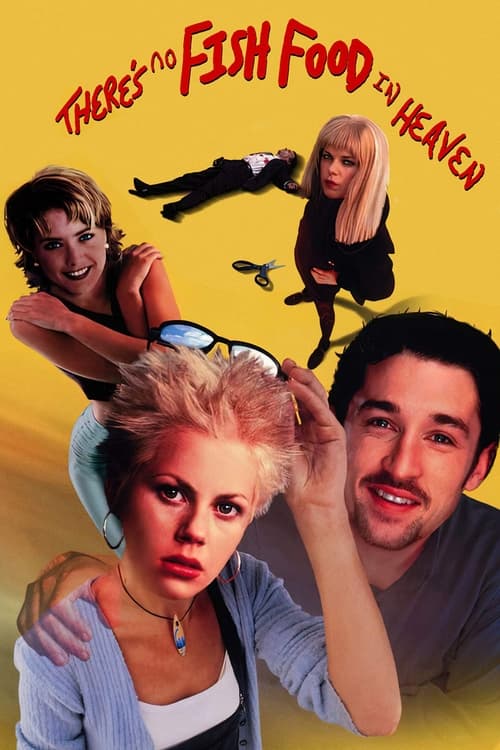
Mona wishes for her life to change, and it does, in a big way--only it gets worse: her somewhat-crazy boyfriend mails himself to her, and when she opens the box with scissors, she accidentally kills him.
2016
2002
2014
1991
2011
1941

1997

1993
No reviews yet. Be the first to share your thoughts on this movie!
Use the rating form above to leave a star rating and optional review.