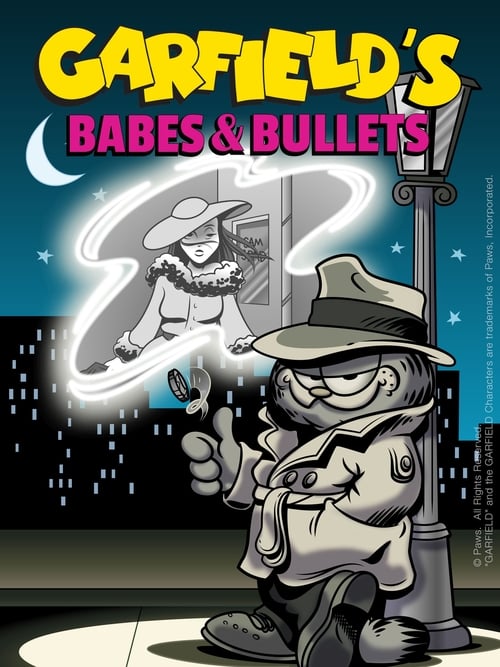
Garfield's Babes and Bullets
1989
No user ratings available yet
Representation score: 0.9 out of 10
Representation Score
Good
1990
TV-PGDirector
John Kricfalusi
Runtime
7 minutes
Average Rating
No ratings yetNew Showbiz Analysis
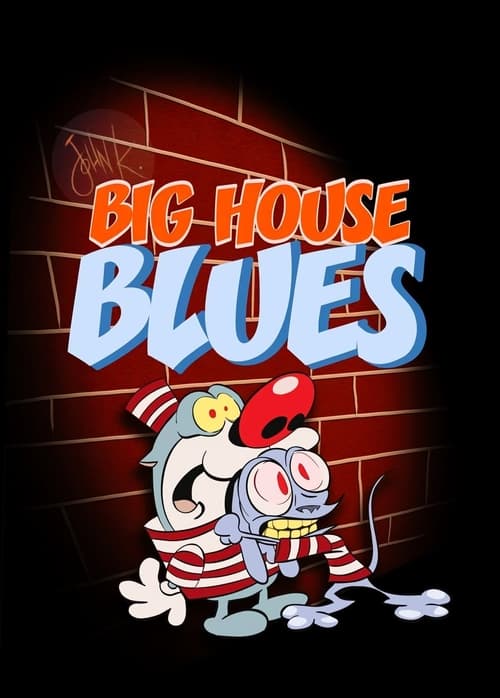
Big House Blues rejects wholesome animation traditions, favoring chaos and surrealism. Its strength lies in its anti-authoritarian message and the way it reimagines classic character types through grotesque imagery. However, the film lacks clear identity markers for LGBTQ+ representation. While the protagonists' volatile partnership disrupts conventional domesticity, the absence of clear identity markers and women's ability to drive the story keeps the diversity scores lower. The work critiques social order, portraying municipal authority as a force of displacement. It tells a survivalist story that favors the underdog over traditional moral frameworks.
Category Breakdown
Ren and Stimpy's relationship is intense and codependent, challenging traditional assumptions about relationships. However, the lack of clear identity markers means the film doesn't fully explore LGBTQ+ themes.
The story centers around a male duo, sidelining traditional gender roles. The film lacks strong female characters and doesn't challenge gender hierarchies.
The characters are anthropomorphic animals, which can represent various identities. However, this installment doesn't show much racial diversity or challenge Anglo-centric casting.
The narrative criticizes Western institutions by showing the municipal pound as a place of dread. It highlights the perspective of those who are underrepresented by authority.
Characters face physical and mental distress, used primarily for dark humor and surrealism. These elements don't deeply explore neurodivergence or illness.
Present on Screen
Limited or Absent
Official Synopsis
Ren and Stimpy, on the streets starving, are captured by the dog catcher. They end up in the pound and become frightened when one of the dogs tells them of the "big sleep".
1989
1940
1961
1983
1969

1998
1985
1957
No reviews yet. Be the first to share your thoughts on this movie!
Use the rating form above to leave a star rating and optional review.