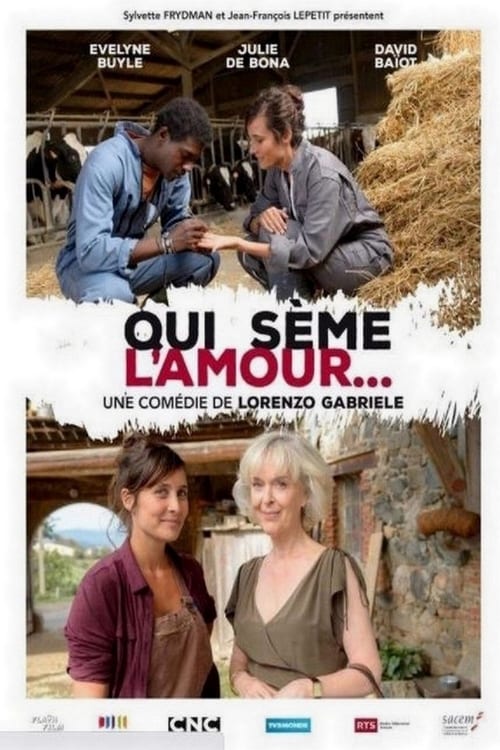
Les Liens du cœur
2016
No user ratings available yet
Representation score: 4.8 out of 10
Representation Score
Fair
2016
Director
Lorenzo Gabriele
Runtime
0 minutes
Average Rating
No ratings yetNew Showbiz Analysis
The film stands out by placing a character of color in a central role within a traditionally white, rural setting. By intertwining the story of immigrant identity with female-led estate management, it disrupts conventional European cinematic roles. Though the romantic elements adhere to standard genre clichés, the narrative structure effectively employs an outsider's viewpoint to question the stability of traditional Western family structures. The inclusion of Djibril's background into the plot avoids superficial including someone from a minority group without giving them real depth. Overall, the film serves as an exploration of integration and domestic upheaval, leveraging cross-cultural interactions to propel its character-driven narrative.
Category Breakdown
The story follows traditional romantic structures and includes a fake fiancé deception. It does not feature explicit LGBTQ+ identities or critiques of conventional romance.
Julie is a central figure who manages a family farm after her father's passing. She embodies strong ability to act and steers away from submissive archetypes by focusing on her professional and familial duties.
Djibril, a medical attendant from Mali, offers meaningful representation. His immigrant experience is woven into the core plot, challenging Eurocentric casting expectations in a rural French context.
The story explores themes of displacement and cultural blending within a traditional agricultural setting. It uses the newcomer's perspective to subtly critique the insularity of Western rural life.
There is no discernible evidence regarding the portrayal of physical or neurodivergent disabilities in this production.
Present on Screen
Limited or Absent
Official Synopsis
Huguette who left her husband and daughter 14 years ago to settle in Rio shows up at the family farm her daughter Julie manages after her father's demise a year ago. Huguette who showed up for an indefinite time also causes the farmhand to leave in Julie's absence. In search of a new farmhand, Djibril shows up. Desperate for her mother to leave, Julie presents him as her fake fiancé Jean-Marc. Djibril, a medical attendant from Mali had followed a French woman to France and had a daughter, Matilda and has no experience with farm life, tries to fit in both as the fake fiance and as farmhand. The relations among Djibril, Julie, Huguette, and Matilda will change all their lives.
2016

2016
2012

2019

2019
2008
2021

2007
No reviews yet. Be the first to share your thoughts on this movie!
Use the rating form above to leave a star rating and optional review.