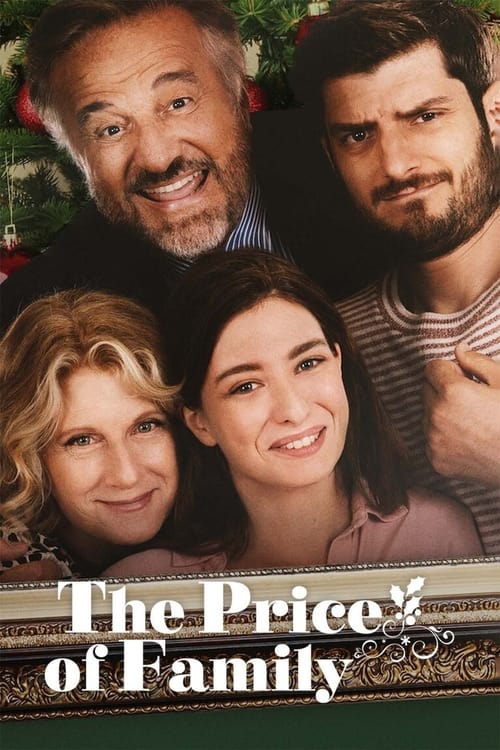
The Price of Family
2022
No user ratings available yet
Representation score: 2.9 out of 10
Representation Score
Limited
1992
Director
Mario Monicelli
Runtime
105 minutes
Average Rating
No ratings yetNew Showbiz Analysis
Mario Monicelli’s comedy serves as a cynical deconstruction of the traditional Italian family. While the film lacks diversity in terms of race and sexual orientation, it excels at undermining cultural expectations of domestic stability. The narrative transforms sentimentality into a study of power dynamics and moral relativism. It uses family gatherings as a catalyst for conflict rather than a site of cohesion. Ultimately, the film is a focused social satire. It opts for a deep, critical examination of the erosion of traditional institutional respect within the household over broad demographic representation.
Category Breakdown
The film does not include any explicit LGBTQ+ characters or stories. Instead, it centers on a traditional, troubled family dynamic without delving into identities outside heteronormativity.
The plot subtly challenges patriarchal norms by showing the older generation stepping away from traditional domestic roles. However, it doesn't provide clear examples of strong female influence or fully overturn gender hierarchies.
The production stays within a culturally uniform setting typical of 1992 Italy. The story emphasizes internal class and family conflicts over racial or ethnic diversity.
The film provides a nuanced critique of the traditional nuclear family, replacing idealized harmony with conflict and self-interest. It dismantles conventional Western institutions by prioritizing personal gain over shared values.
There is no indication that disability or neurodivergence plays a key role or character trait in this work.
Present on Screen
Limited or Absent
Official Synopsis
During the annual Christmas gathering at the family home, the parents surprise their children by announcing their decision to move in with one of them and pass on the house.
2022
1983
2013
1985
2018

2022
2012
1999
No reviews yet. Be the first to share your thoughts on this movie!
Use the rating form above to leave a star rating and optional review.