
The Law
1990
No user ratings available yet
Representation score: 5.4 out of 10
Representation Score
Fair
1972
Director
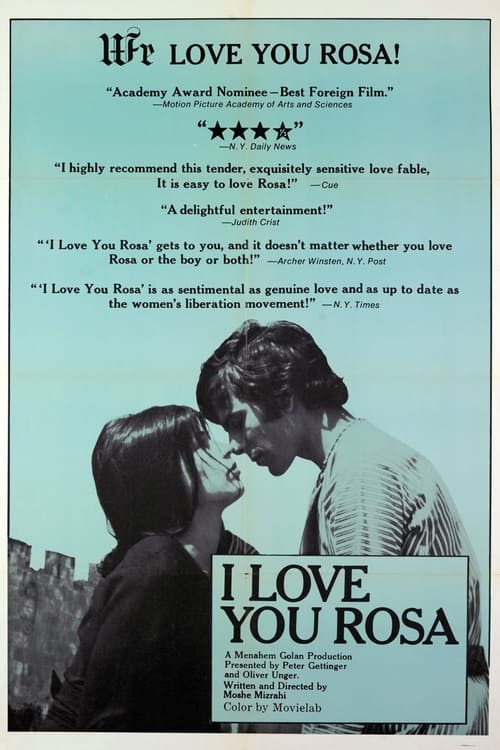
Moshé Mizrahi
Runtime
77 minutes
Average Rating
No ratings yetNew Showbiz Analysis
Moshé Mizrahi’s work excels at using a specific cultural lens to explore the universal struggle for personal freedom against institutional traditions. The film is a sophisticated piece of ethnic cinema that deconstructs religious and gender hierarchies through the lens of a Brooklyn Jewish community. While the film provides a deep and specific cultural portrayal, it remains limited in its representation of LGBTQ+ and disabled individuals. The narrative is tightly bound to the traditional frameworks of the religious laws it seeks to critique.
Category Breakdown
The film does not include any LGBTQ+ characters or non-straight relationships. It operates within a traditional structure focused on heterosexual relationships and family.
Rosa’s journey highlights the conflict between personal freedom and societal expectations for women within a patriarchal system. The film emphasizes the tension between women's ability to drive the story and communal obligations.
The story offers a detailed look at the Jewish-American experience in Brooklyn, focusing on a specific working-class community. It avoids broad stereotypes by providing a unique perspective.
The narrative examines the tension between ancient religious laws and personal freedoms. It uses a fictional legal scenario to critique the strictness of traditional rules.
There are no prominent depictions of physical or neurological disabilities that significantly impact the story.
Present on Screen
Limited or Absent
Official Synopsis
This story centers on the Jewish practice that requires an unmarried brother to marry the childless widow of his dead brother. In this story the younger brother is only 12 years old when his brother dies. The requirement is avoided by a legal fiction, but as time passes in the story, the situation changes.
1990

2018

1990
1968
1989

1983

2017
1971
No reviews yet. Be the first to share your thoughts on this movie!
Use the rating form above to leave a star rating and optional review.